
Lay betting for beginners
What is lay betting?
Lay betting is a way of betting against an outcome. In horse racing, a normal back bet means you are choosing a horse to win. A lay bet means you are choosing a horse not to win.
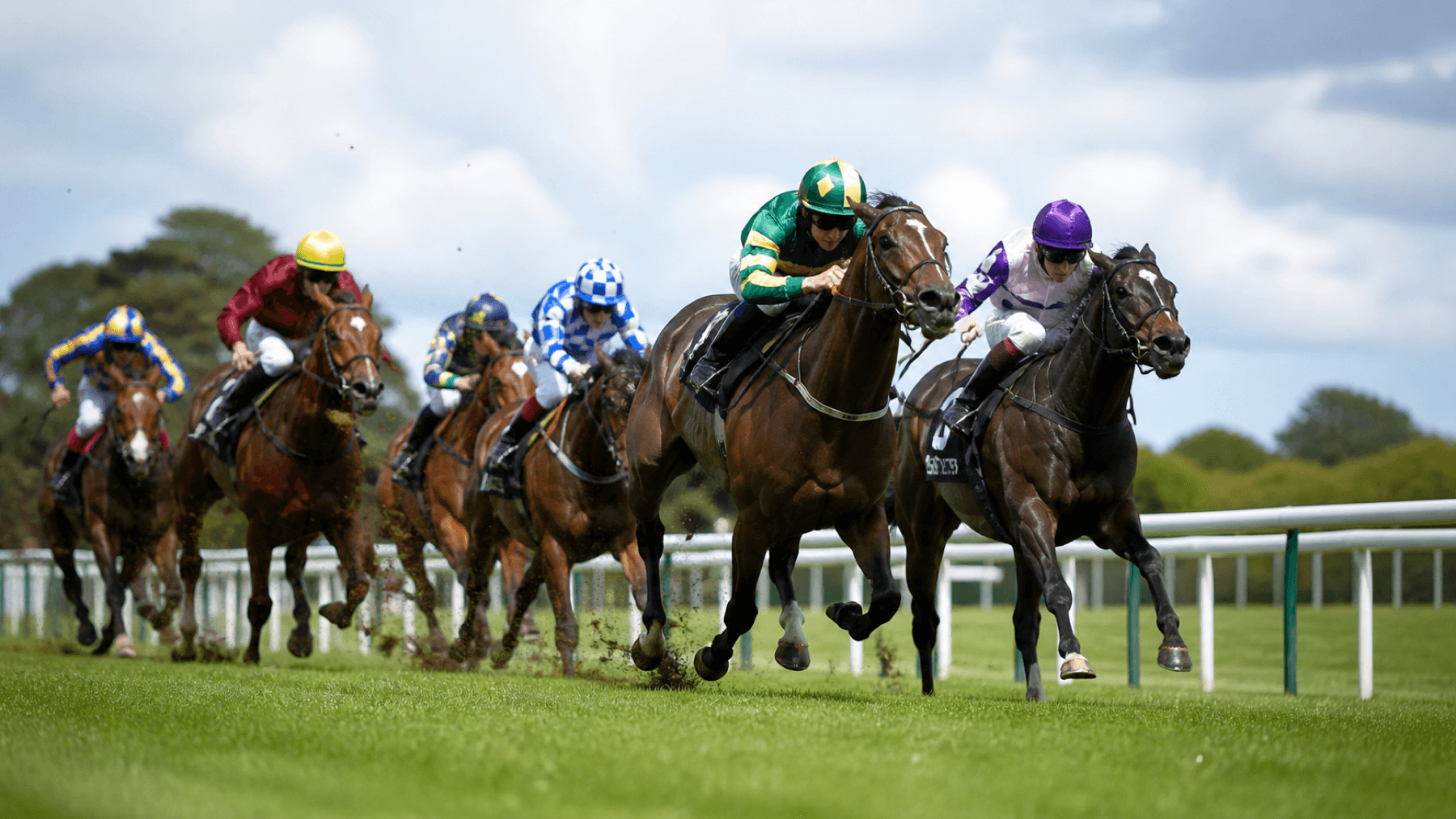
If you lay a horse and that horse finishes 2nd, 3rd, 4th, or anywhere else apart from 1st, your lay bet wins. If that horse wins the race, your lay bet loses.
That is the simple answer to “what is lay betting?” But to use lay betting properly, you also need to understand betting exchanges, liability, staking, price discipline, and long-term risk control.
At Lay Picks, the focus is on structured horse racing research, controlled liability, conservative staking, and clear results tracking. The aim is not to chase reckless prices. The aim is to help users approach lay betting in a more disciplined and organised way.
Lay betting explained: backing vs laying
The easiest way to understand lay betting is to compare backing and laying. When you back a horse, you want it to win. When you lay a horse, you want it to lose.
For example, if you back a horse at odds of 5.0, you are saying: “This horse can win.” If you lay the same horse at odds of 5.0, you are saying: “I do not think this horse will win.”
You are not saying the horse has no chance. You are simply taking the view that the horse is vulnerable enough to oppose at the current price. Lay betting is not about finding terrible horses. It is about finding runners that may be too short in the market, have weaknesses in their profile, or are not strong enough to justify the price.
You can read Betfair’s own explanation here: Betfair: what does lay mean?
How lay betting works on a betting exchange
Lay betting usually happens on a betting exchange rather than through a traditional bookmaker. A traditional bookmaker offers prices to customers. A betting exchange allows customers to bet against each other.
One person backs a horse to win. Another person lays that horse not to win. The exchange matches those two positions. The Betfair Exchange is one of the best-known examples of a betting exchange.
This flexibility is useful, but it also means you need to understand the risk before placing a bet. When you lay a selection, you are accepting liability if that selection wins.
Understanding lay betting liability
Lay betting liability is the amount you could lose if your lay bet is wrong. With a normal back bet, the risk is simple. If you stake £10, the most you can lose is £10. With a lay bet, your risk depends on the odds.
Liability formula
Liability = (Lay odds - 1) × Stake
If you lay at higher odds, the possible loss becomes larger. This is why price discipline matters so much in lay betting. Lay betting for beginners should always start with liability. Before placing a lay bet, you should know exactly how much you could lose if the selection wins.
Why Lay Picks keeps lay odds under 11.0
At Lay Picks, recommended lay odds are kept under 11.0 as part of the site’s risk-control approach. Lay betting is not only about finding a horse that looks vulnerable. It is also about making sure the price is sensible.
Higher lay odds can create much larger liability, so Lay Picks avoids chasing very high-priced lays. Any horse above 11.0 is treated as invalid for the system. That means no stake, no recommendation, and no count towards the staking plan.
The Lay Picks staking system
Lay Picks is built around a conservative staking system designed to protect the betting bank and manage liability. The recommended minimum starting bank is £500. This gives the system enough room to work properly while keeping individual stakes small and controlled.
The staking scale changes depending on the lay odds. Lower odds use a slightly higher percentage of the bank because the liability is lower. Higher odds use a smaller percentage because the liability is greater.
This means the system naturally becomes more cautious as the lay odds increase. It is not a flat staking method. It is a controlled percentage-based system designed to adjust to the level of risk in each odds band.
Stakes grow naturally with the bank
Because Lay Picks uses percentage-based staking, the stakes adjust naturally as the bank changes. If the bank grows, stakes increase gradually. If the bank falls, stakes reduce automatically.
This creates a natural compounding effect without forcing aggressive stake increases. The staking rules are fixed, measured, and linked to the current bank, helping users avoid emotional decisions after wins or losses.
Built-in 2% commission tracking
Betting exchanges usually charge commission on winning bets. The Lay Picks tracker has 2% exchange commission built in, so results are calculated more realistically.
The Lay Picks results area is designed to help users monitor progress, track their betting bank, and review results after commission. This gives users a clearer view of performance and helps avoid guesswork.
Why price discipline matters
A horse might look like a possible lay, but that does not mean it should be laid at any price. If the odds are too high, the liability may not be worth the potential return.
Good lay betting is not just about finding horses that might lose. It is about finding horses that are weak enough, at a price that makes sense, with liability that can be managed properly.
How Lay Picks helps with horse racing lay betting
Lay Picks is a horse racing lay-betting research app designed to help users make more structured decisions. It does not place bets automatically. The user remains in control and makes the final manual decision.
You can explore more through the Lay Picks homepage, the Lay Picks blog, or the Lay Picks lay betting guide.

Is lay betting right for beginners?
Lay betting can be suitable for beginners, but only if they learn the basics first. The most important thing is to understand liability. A beginner should never place a lay bet without knowing exactly how much they could lose.
It is also important to start with sensible stakes. That is why Lay Picks is designed around a recommended minimum bank of £500 and small percentage-based stakes. Horses with doubts can still win, so education, patience, and discipline matter.
What is lay betting? Final thoughts
So, what is lay betting? Lay betting means betting against an outcome. In horse racing, it usually means choosing a horse not to win. If the horse loses, your lay bet wins. If the horse wins, your lay bet loses.
The idea is simple, but the risk must be understood. Lay Picks is designed for people who want a more structured and responsible way to approach horse racing lay-betting research, with lay odds kept under 11.0, conservative staking, a recommended £500 starting bank, built-in 2% commission tracking, natural stake adjustment, and clear results monitoring.
Lay betting is never risk-free, but with the right structure, it can be approached in a more measured and controlled way.
Responsible gambling note
Lay betting involves risk. You should only bet with money you can afford to lose. Never chase losses, never bet under pressure, and always understand your full liability before placing a lay bet.
For support and safer gambling information, visit GambleAware or the UK Gambling Commission safer gambling pages.