
Lay betting explained
What is lay betting?
Lay betting means betting against an outcome. In horse racing, laying a horse means you want that horse not to win.
Read the detailed guideBacking
You want the horse to win.
Laying
You want the horse not to win.
Horse does not winLay wins
Horse winsLay loses
The essential difference
Backing vs laying
A normal back bet supports a horse to win. If the horse wins, the back bet wins. If the horse is beaten, the back bet loses.
When you back a horse
You are supporting one winning outcome. The horse must finish first for the back bet to win.
When you lay a horse
You take the other side. If the horse finishes anywhere other than first, your lay wins. If the horse wins the race, your lay loses.
That difference changes the research question. A backer asks, “Can this horse win?” A layer asks, “Is this horse vulnerable enough at the current price?”
Two sides of one market
How betting exchanges make laying possible
Lay betting normally happens on a betting exchange. One user backs a runner, another user lays that runner, and the exchange matches the two sides.
This gives users more control than a traditional bookmaker, but it also means they must understand price, liquidity, and liability before making a manual decision.
Liquidity matters because a price on screen is only useful if there is enough money available to match it. Thin markets can leave a fixed-price order partly or fully unmatched. Accepting a higher lay price to obtain a match would increase liability.
A backer supports the horse
The back side of the market wants the selected horse to win.
A layer opposes the horse
The lay side accepts the risk that the selected horse could win.
The exchange matches both sides
A displayed price is usable only when enough money is available to match it.
Before any manual decision
What beginners should check first
Before laying a horse, beginners should check the lay odds, liability, field size, non-runner status, going, distance, recent form, trainer and jockey signals, and whether public racecards strongly protect the runner.
Small fields and unexposed races need extra care because there may be fewer reliable negatives and fewer ways for the laid horse to get beaten.
Price and liability
Check the live lay odds and calculate the full amount at risk before making a decision.
Runner and market status
Confirm the correct race and horse, non-runner status, field size, and available exchange liquidity.
Race conditions
Review the going, distance, class, draw, and likely race shape rather than relying on price alone.
Form and connections
Consider recent form, ratings, trainer and jockey signals, and whether today suits the horse better.
Protection and uncertainty
Check whether public racecards strongly protect the runner and be especially cautious in small fields or unexposed races.
The risk number that matters
Lay betting liability example
Liability formula
(lay odds - 1) × stakeThe amount at risk if the laid horse wins.Liability is the amount you can lose if the laid horse wins. The formula is: liability = (lay odds - 1) × stake.
For example, a £5 lay at odds of 6.0 creates £25 liability. If the horse is beaten, the lay wins the stake before exchange commission. If the horse wins, the loss is the liability.
At odds of 11.0, the same £5 lay creates £50 liability. This is why Lay Picks never recommends active lay odds above 11.0 and keeps liability visible before any manual decision.
- Lay stake
- The amount you aim to win before exchange commission if the horse does not win.
- Lay odds
- The exchange price used with the stake to calculate your liability.
- Liability
- The amount you can lose if the horse you lay wins the race.
- Winning lay
- The laid horse finishes anywhere other than first, so the lay wins.
- Losing lay
- The laid horse wins the race, so the liability is lost.
Worked examples
The stake stays £5. The liability changes with the odds.
£5 lay at 6.0
£25 liability- Horse does not win
- £5 gross win before commission
- Horse wins
- £25 liability loss
£5 lay at 11.0
£50 liability- Horse does not win
- £5 gross win before commission
- Horse wins
- £50 liability loss
Putting the idea into racing terms
A simple horse racing example
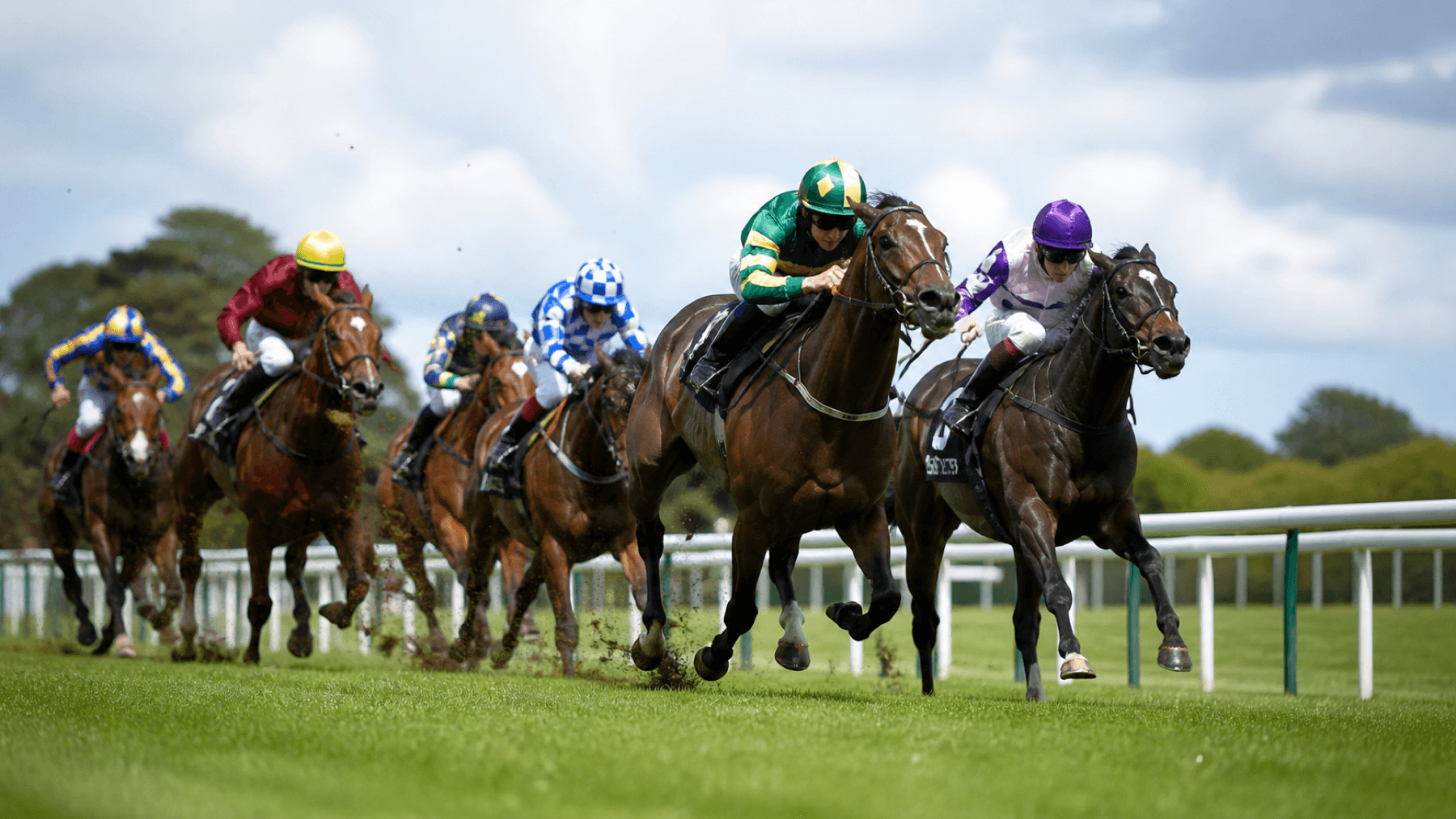
Imagine a horse is short in the market because it has a recognisable trainer and a recent good run. A lay bettor might still oppose it if today's distance, going, class, draw, or race shape looks less suitable.
That does not mean the horse cannot win. It means the research case is that the horse may be over-protected by the market relative to its risks. Good lay betting is about disciplined opposition, not certainty.
Leaving a race alone is a decision
Beginner example: when the answer should be SKIP
A beginner might see a favourite at 3.5 and think it is a good lay because the horse looks short. That is not enough. If the runner has proven course form, a suitable draw, strong recent ratings, and clear market support, the better decision may be to leave the race alone.
This is why Lay Picks separates research from action. A horse can look short but still be too well protected to oppose. SKIP is part of the process, not a missed opportunity.
Research stays separate from action
What Lay Picks does — and does not do
Lay Picks helps users research potential lays, understand liability, and make their own manual decisions without any automatic bet placement.
Lay Picks provides research
Most racing services try to find winners. Lay Picks looks for vulnerable horses that may be worth opposing at sensible prices.
We combine ratings, recent form, read-only exchange odds, race context, and public racecard checks to decide whether a horse is a PLAY or SKIP.
Every action stays manual
Lay Picks does not place bets, access a betting account, guarantee outcomes, or remove the need to check liability.
Not every race needs a bet. Some days there may be plenty of opportunities, other days only a few. The aim is not to force selections — it is to find the right ones.
Proof, risk, and discipline
How to judge lay betting claims and manage the risks
How to verify claims about lay betting
Do not judge a lay betting service from a headline strike rate alone. Look for visible losing rows, clear methodology, archive pages, and an explanation of how non-runners, voids, SKIPs, and pending results are handled.
Lay Picks publishes public results and a results methodology so readers can review the record before deciding whether the research process is useful to them.
Risks and discipline
Lay betting is not risk-free. A short-priced horse can still win, public information can change quickly, and higher odds can create large liability.
Discipline matters because good lay betting research is not about opposing every favourite. It is about finding runners that look vulnerable at a sensible price while avoiding clear protection clusters.
Lay betting involves risk. You can lose more than your stake because liability depends on the lay odds. Lay Picks provides research only and does not place bets for users. Please bet responsibly and only with money you can afford to lose.
Frequently asked questions
The questions beginners usually ask next
What is lay betting?
Lay betting means betting against an outcome. In horse racing, laying a horse means you want that horse not to win the race.
Is lay betting the same as betting on a horse to lose?
In horse racing, yes. Laying a horse means you want that horse not to win. The horse can finish second, third, fourth, or last and the lay still wins.
How is lay betting different from backing?
Backing supports a selection to win. Laying opposes a selection winning and can create liability greater than the stake.
Can you lose more than your stake with lay betting?
Yes. With a lay bet, the amount at risk is the liability, which depends on the lay odds and stake. Higher odds create higher liability.
Does Lay Picks place lay bets automatically?
No. Lay Picks provides research, liability context, and PLAY/SKIP analysis. Users make their own manual decisions away from Lay Picks.
“The race is not always to the swift, nor the battle to the strong, but that's the way to bet.”
Where to go next
Build the idea into a responsible learning route
If you understand the basic idea, the next step is learning what makes a sensible lay betting tip. The key is to combine vulnerability, price, liability, and public safety checks rather than relying on one negative signal.
Keep learning
Continue with the full Lay Picks workflow, the learning blog, or the detailed liability guide.
Questions or corrections?
Send the Lay Picks team a comment and mention this guide so it can be reviewed properly.
Lay Picks is for informed adults who want a clearer research routine. It is research and tracking software only, never automatic betting. You stay responsible for every manual decision. 18+ only. Read the risk disclaimer.