
Racecourse guides
UK and Irish Racecourse Guides
Know the course before the race.
Racecourse context can change a lay betting view. Going, draw, pace, trip, race type, field size, and local track characteristics should be checked before opposing a runner.
How to use these guides
This page is a research hub, not a daily tips page. It gives a starting framework for checking whether a racecourse creates extra protection or extra vulnerability for a possible lay.
Always combine course context with the current racecard, live going, non-runners, exchange odds, and liability. A track angle should never override strong evidence that a runner is protected.
English and Welsh courses
English and Welsh racecourses
The English and Welsh guide set covers sharp turning Flat tracks, galloping Grade 1 courses, stiff National Hunt venues, all-weather surfaces, draw traps, pace maps, stamina pressure, and specialist lay red flags.
Jumps
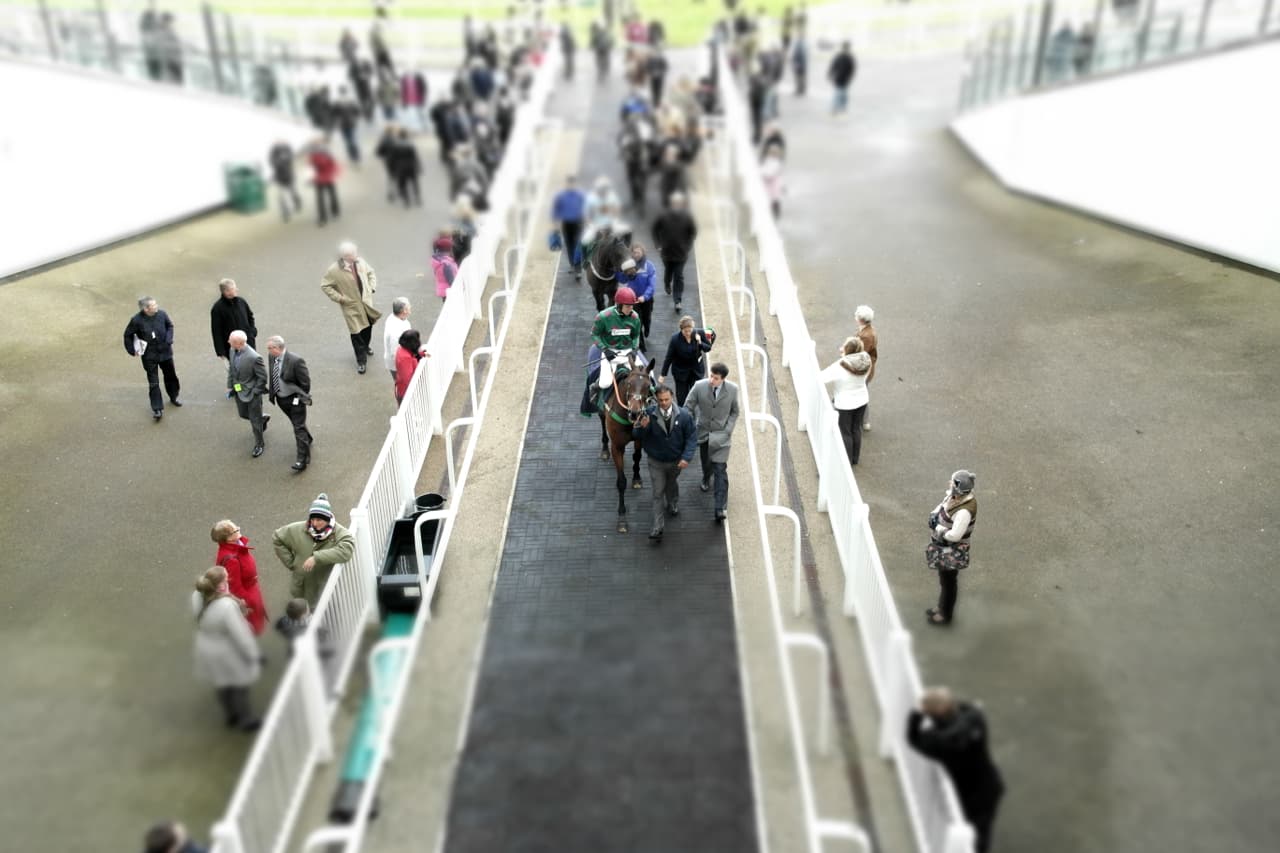
Aintree
Respect fluent, prominent jumpers; question short runners with stamina doubts, sketchy jumping, or National-fence uncertainty.
Read guide
Flat and National Hunt turf
Ascot
Ascot is a class-and-stamina truth serum; be wary of speed horses, questionable stayers, and favourites drawn away from the race's live pace.
Read guide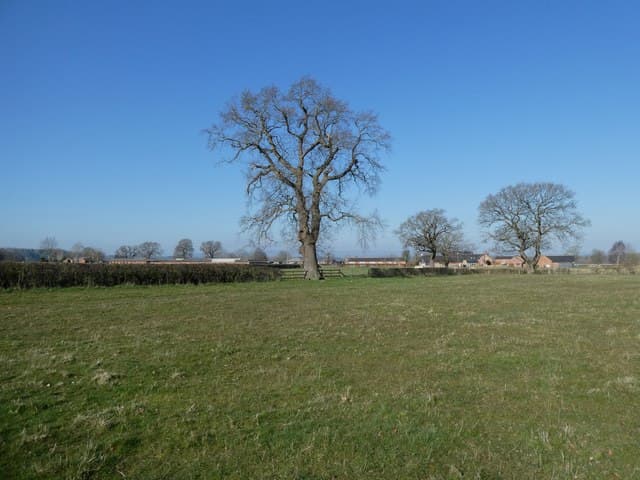
Jumps
Bangor-on-Dee
Do not oppose handy jumpers lightly; do question slow, one-paced favourites that need a long straight.
Read guide
Flat turf
Bath
Fast ground and stamina quirks matter; question runners with soft-ground preference, weak finish, or poor balance on undulations.
Read guide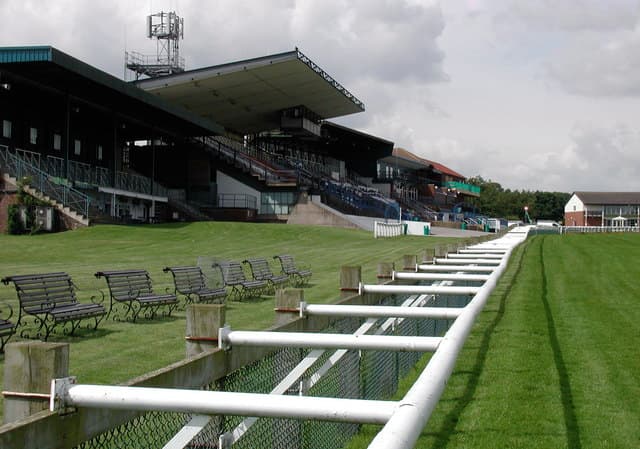
Flat turf
Beverley
Respect proven Beverley stamina and low-draw sprint speed; question short runners that may not finish up the hill.
Read guide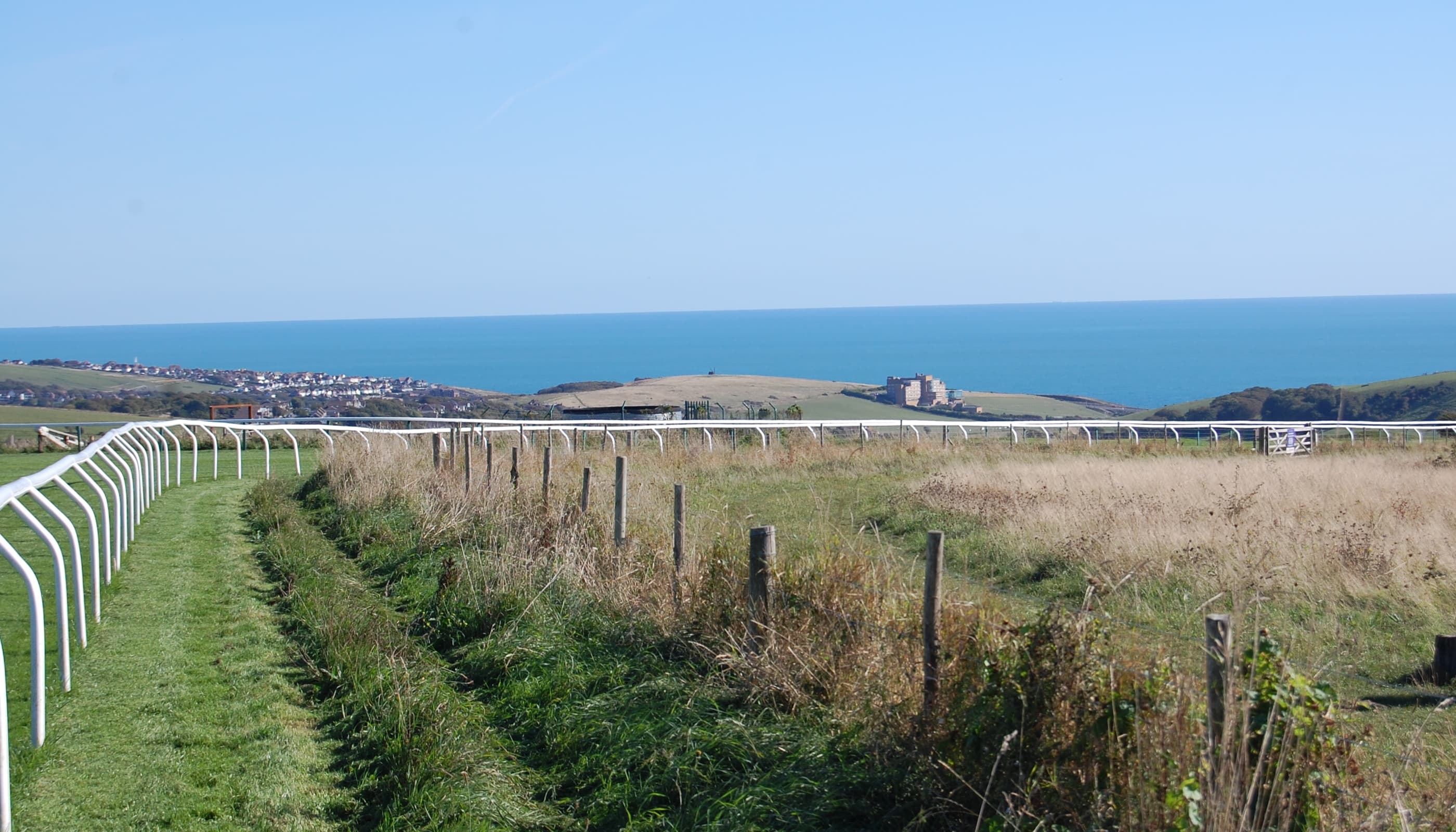
Flat turf
Brighton
Course craft is huge; question short runners without Brighton, Epsom, or quirky-track evidence.
Read guide
Flat and jumps
Carlisle
Question weak finishers and doubtful stayers; protect horses that find plenty under pressure.
Read guide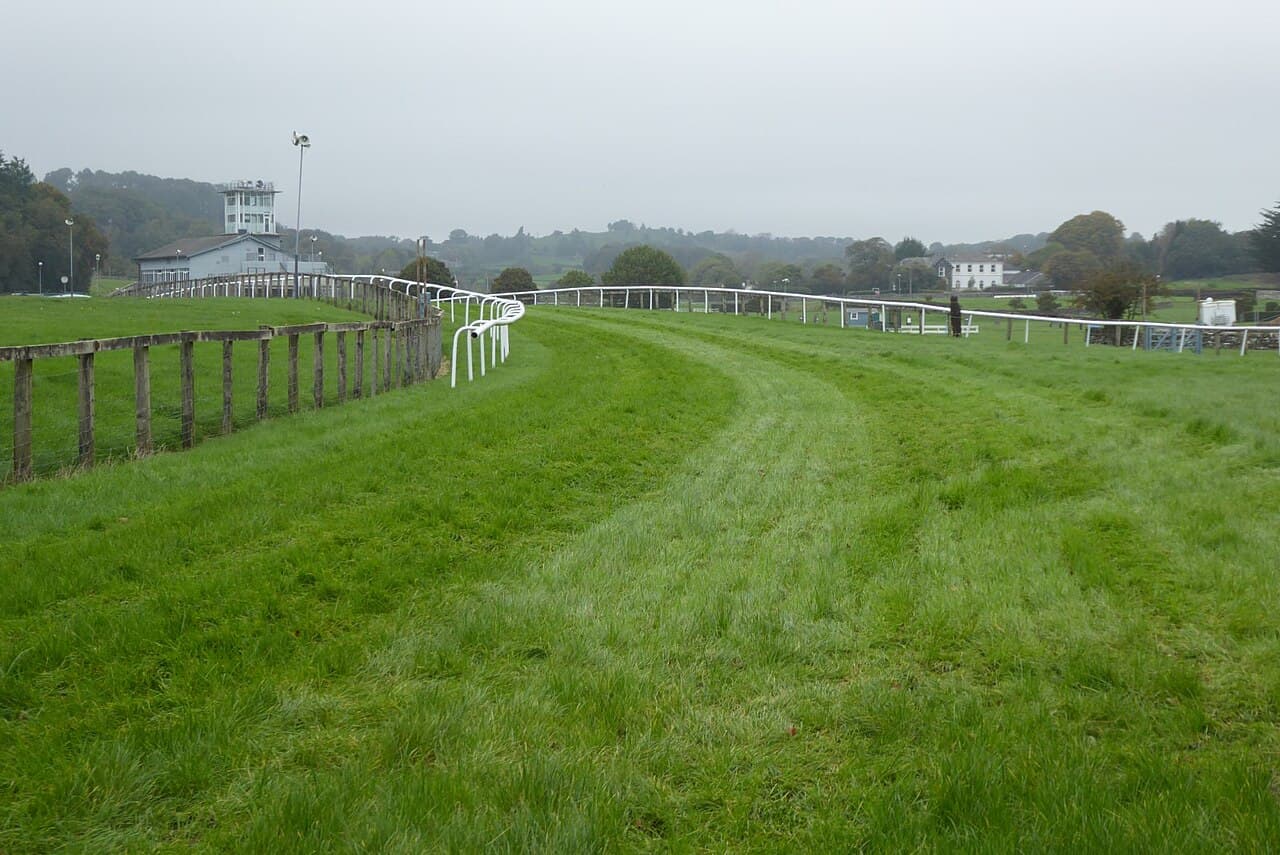
Jumps
Cartmel
Respect course specialists and patient stamina; question horses that trade short before the long run-in has exposed them.
Read guide
Flat and jumps
Catterick
Give extra protection to handy, speedy, course-proven horses; question closers and galloping types that need time.
Read guide
Flat AW
Chelmsford City
Position and surface efficiency matter; question wide, slow-starting, or kickback-sensitive favourites.
Read guide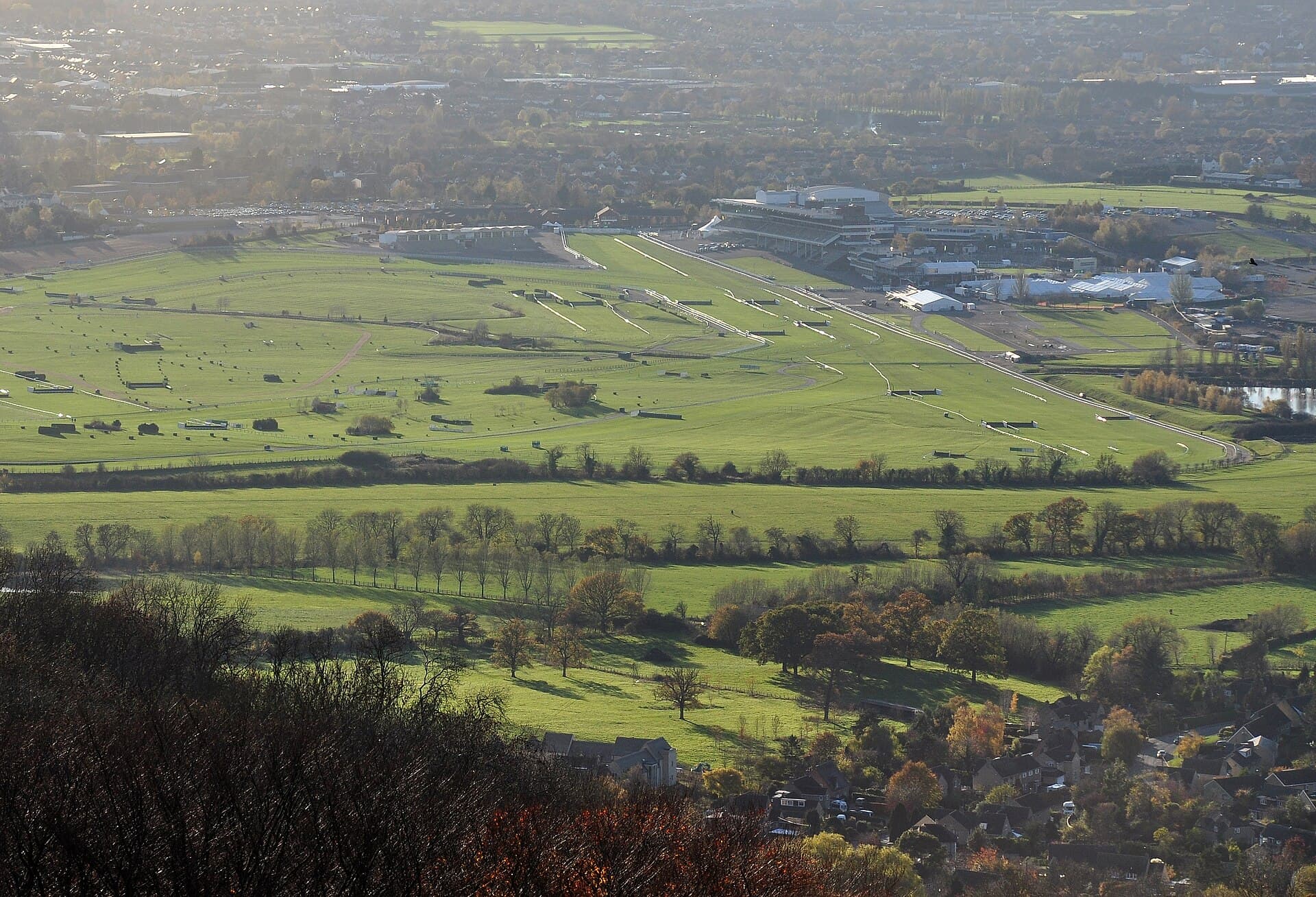
Jumps
Cheltenham
Do not lay proven Cheltenham battlers casually; question short horses with jumping, stamina, or hill doubts.
Read guide
Flat and jumps
Chepstow
Stamina and ground are central; question speed horses or fragile stayers when Chepstow turns testing.
Read guide
Flat turf
Chester
Do not oppose a low-drawn pace horse lightly; do question wide-drawn runners that need rhythm, cover, or a long straight.
Read guide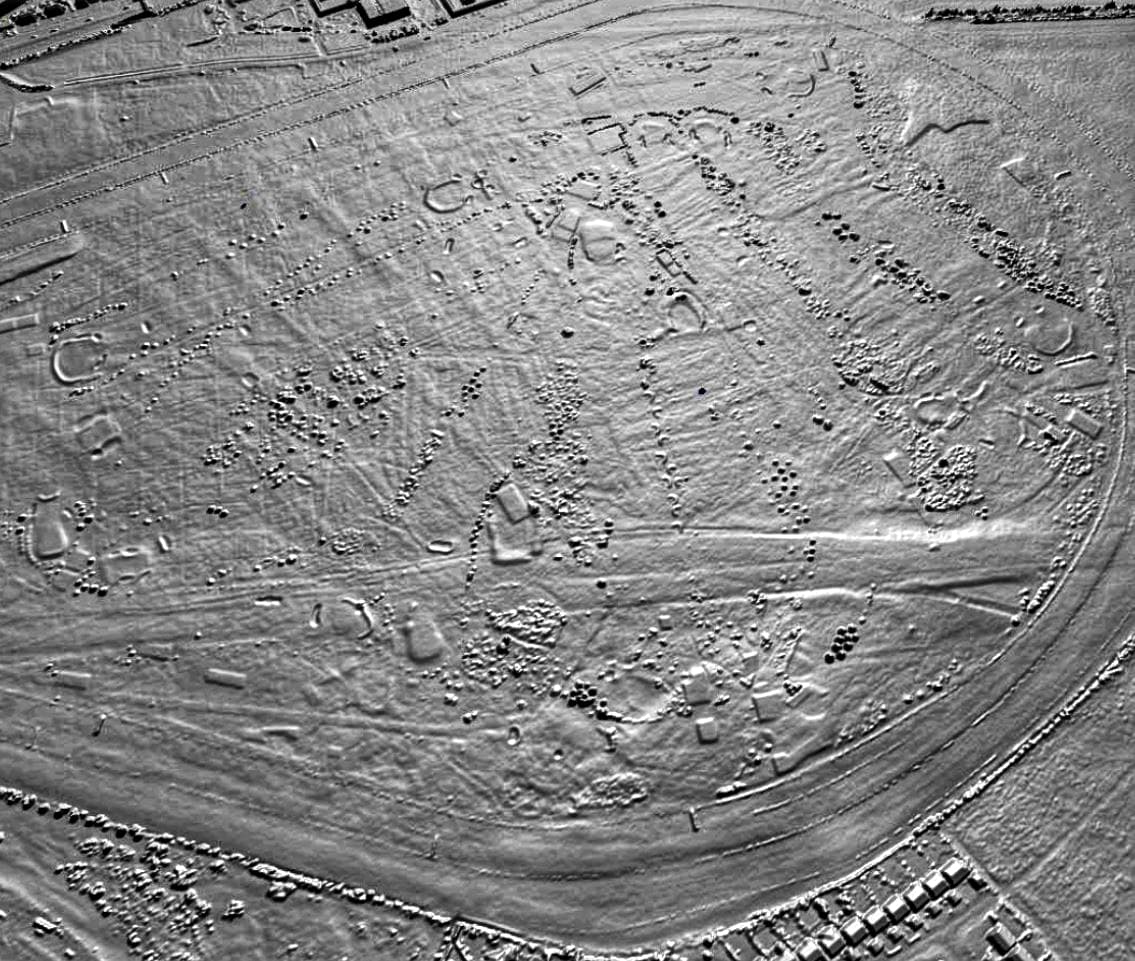
Flat and jumps
Doncaster
Doncaster gives good horses time; require genuine weakness, especially stamina or class depth, before laying a strong galloper.
Read guide
Flat turf
Epsom
Balance is everything; question short runners without Epsom or similar quirky-track evidence.
Read guide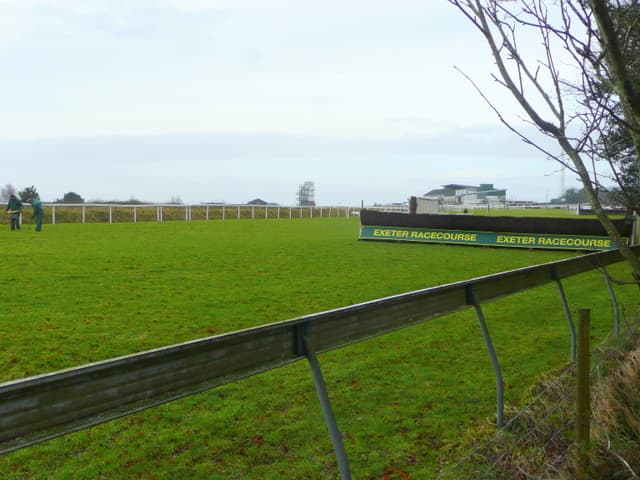
Jumps
Exeter
Question doubtful stayers and weak finishers; protect strong gallopers with fluent right-handed jumping.
Read guide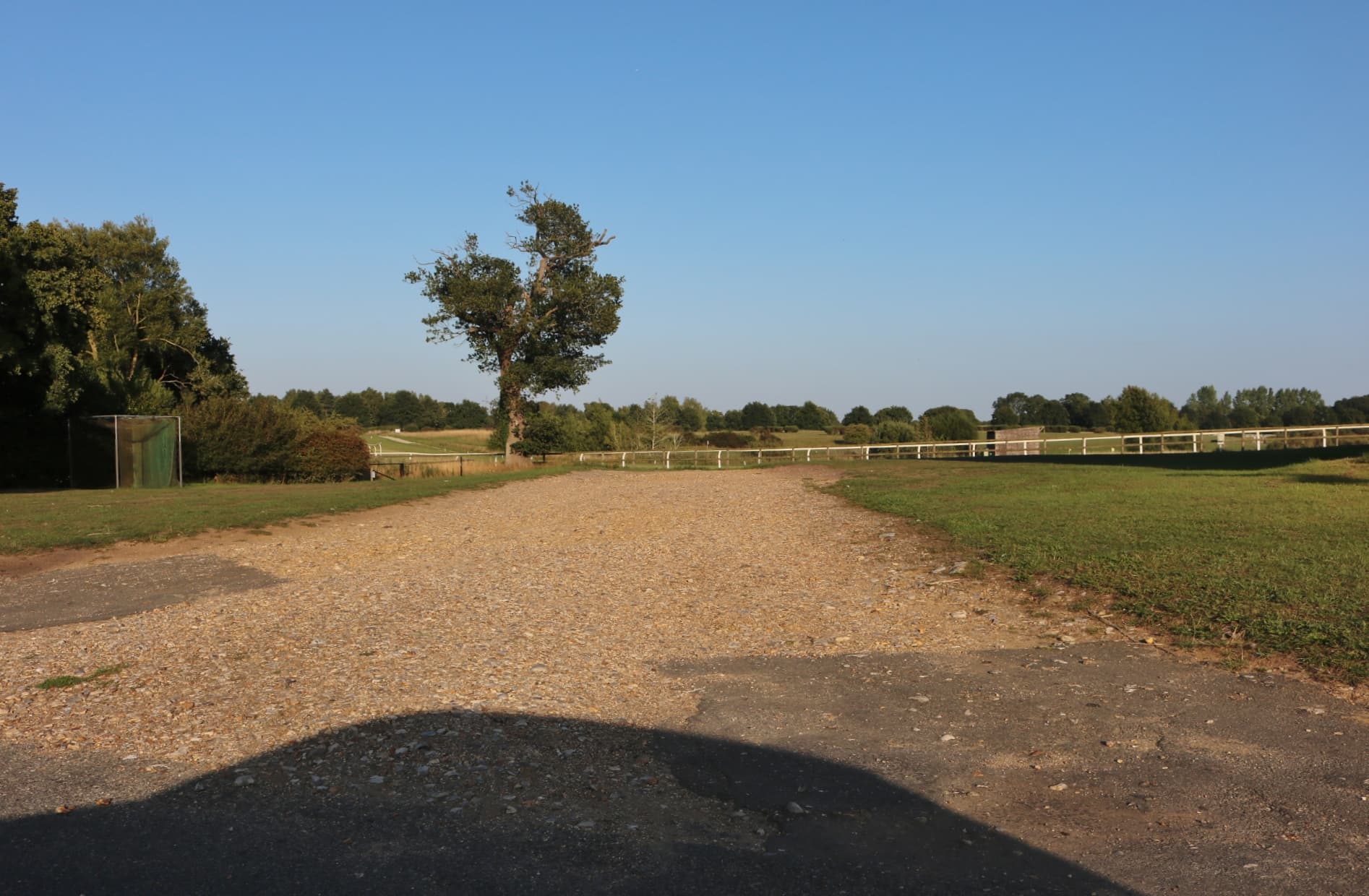
Jumps
Fakenham
Sharp-track speed and jumping accuracy matter; question galloping horses that need time to organise.
Read guide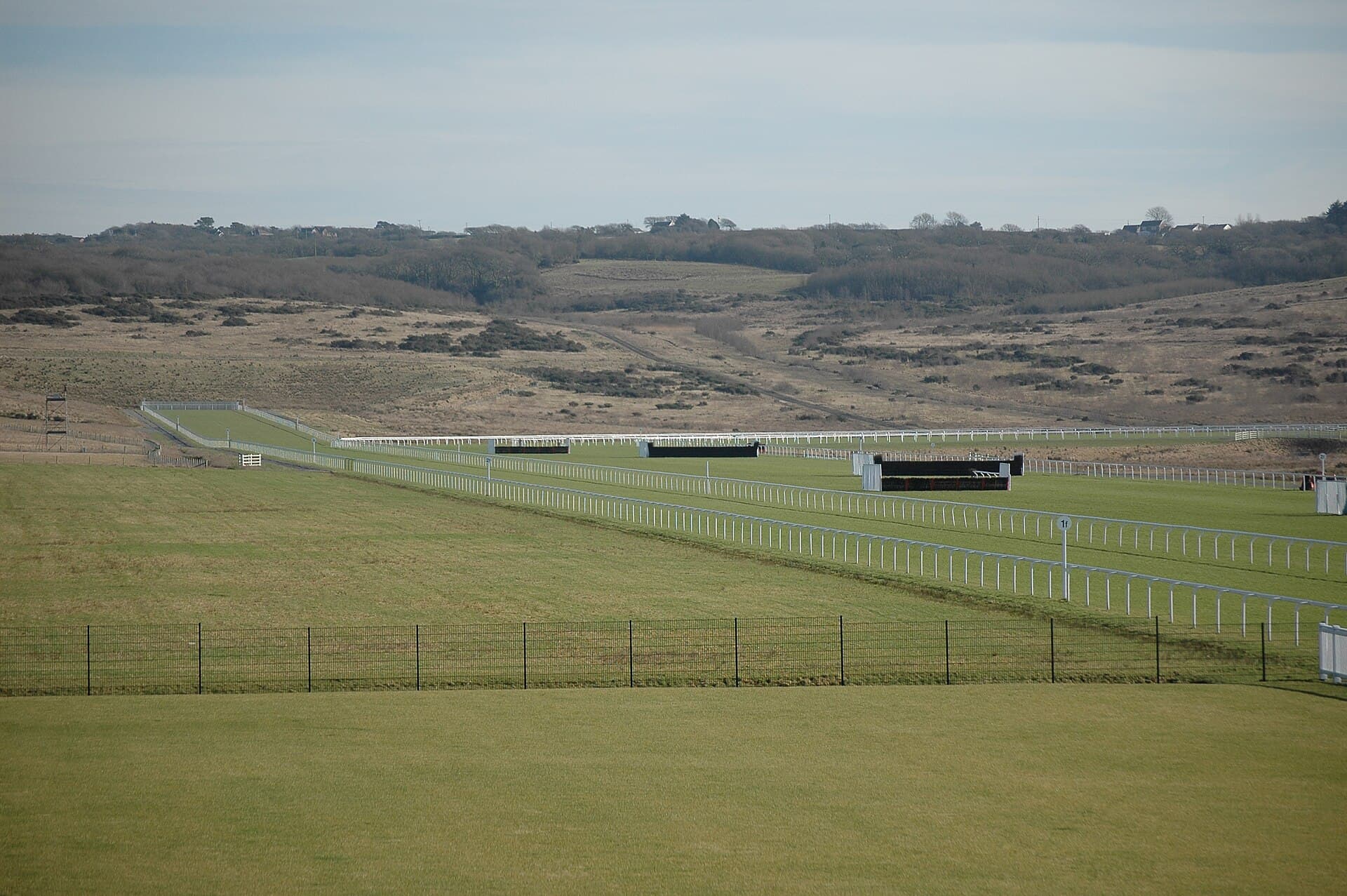
Flat and jumps
Ffos Las
Stamina and ground are the big filters; question speed-biased horses when conditions turn testing.
Read guide
Jumps
Fontwell
Track craft is a protection signal; question horses without rhythm, balance, or experience around unusual turns.
Read guide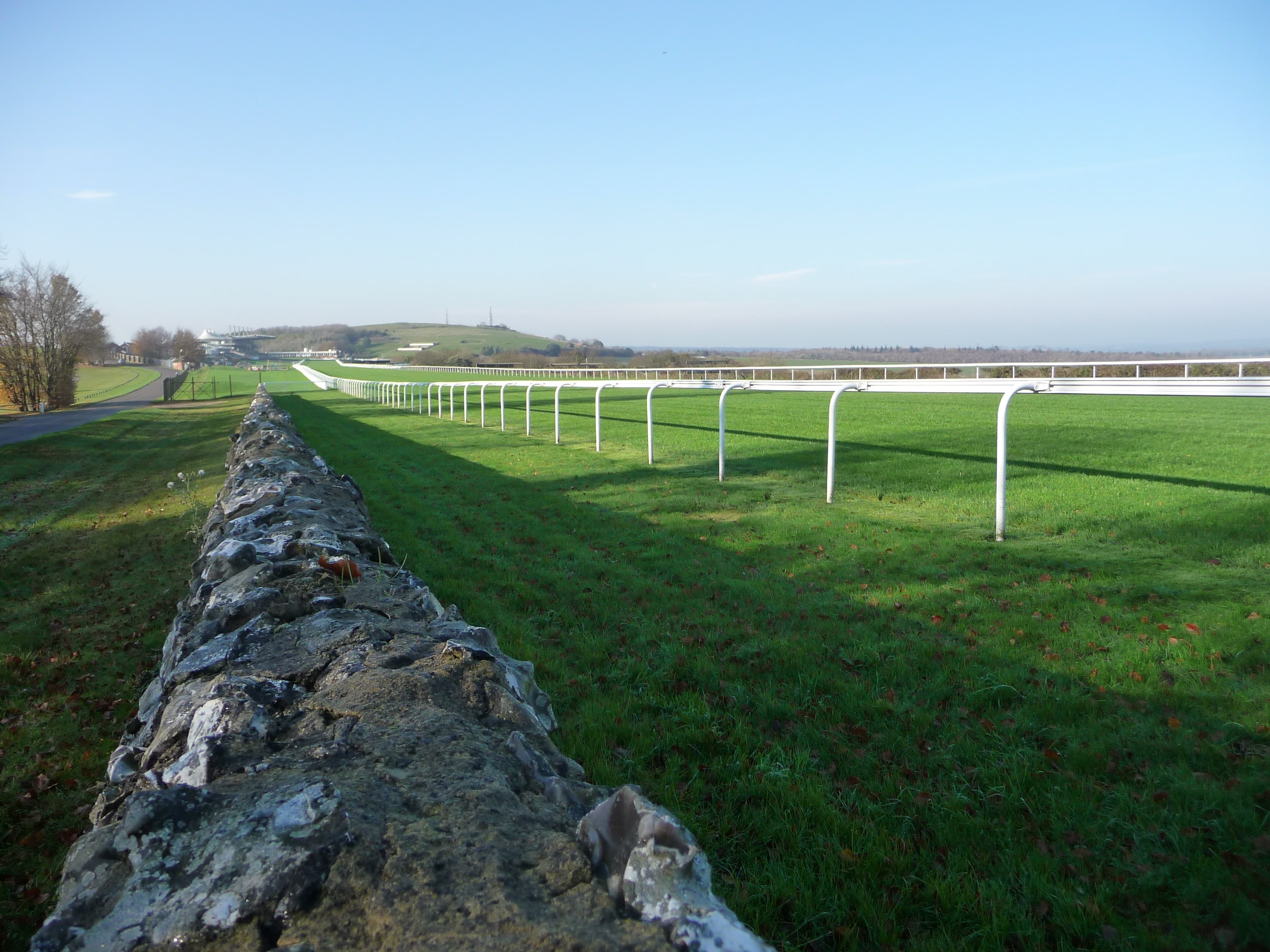
Flat turf
Goodwood
Balance, draw, and tactical position matter; question short runners that need a smooth, level galloping track.
Read guide
Flat turf
Great Yarmouth
Fair-track form matters; question horses that travel but do not finish or need a pace setup that is not there.
Read guide
Flat and jumps
Haydock
Going is the lever; question fast-ground or weak-stamina profiles when Haydock gets deep.
Read guide
Jumps
Hereford
Right-handed jumping and tactical position matter; question horses with directional quirks or weak recent rhythm.
Read guide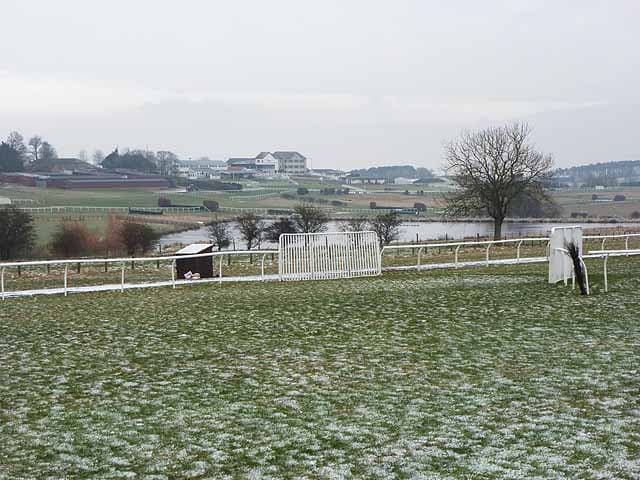
Jumps
Hexham
Hexham rewards hardy stayers; question short runners with stamina, attitude, or jumping doubts.
Read guide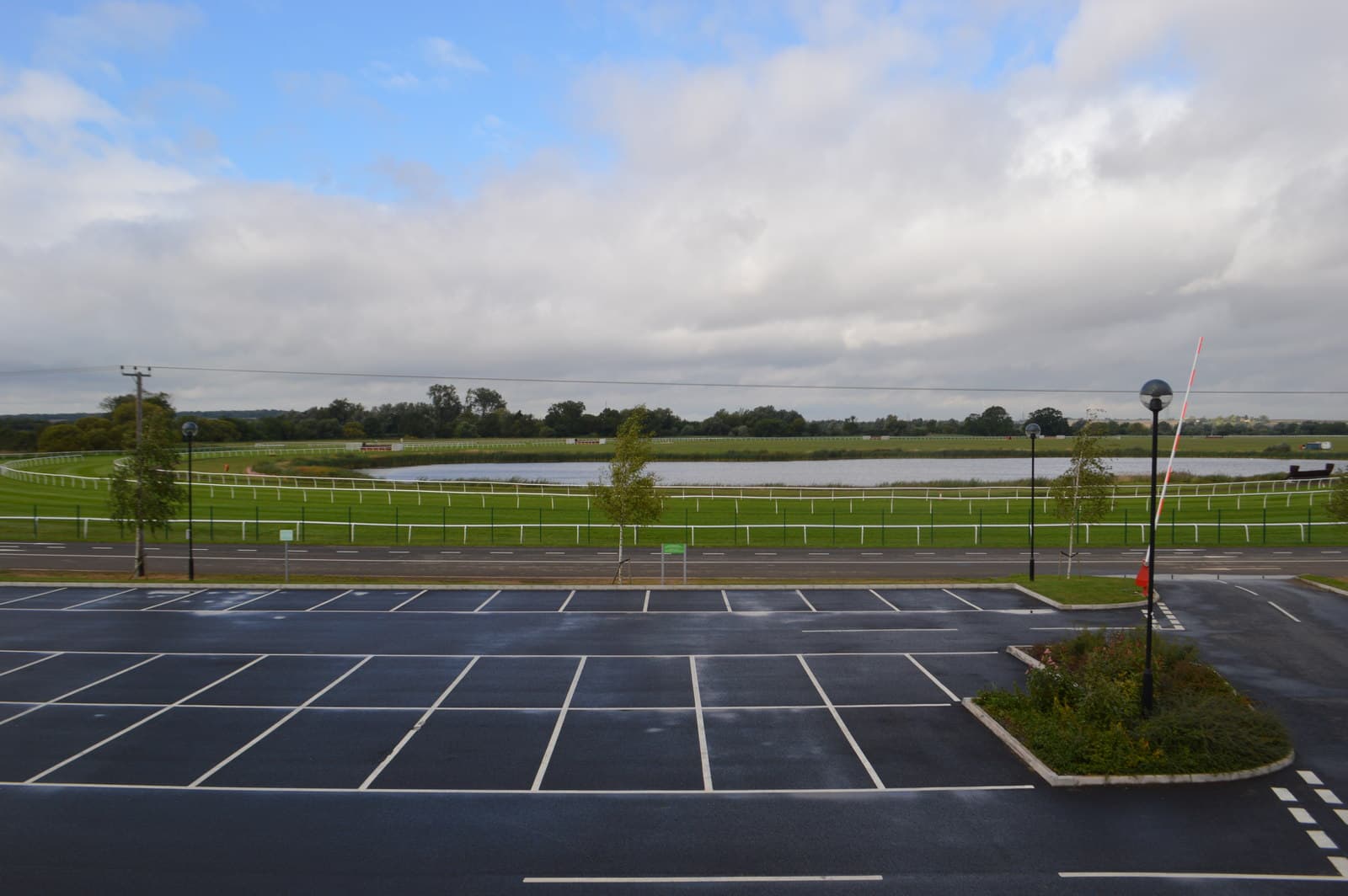
Jumps
Huntingdon
Speed and slick jumping are protected; question stayers that need a searching gallop.
Read guide
Mixed
Kempton
Kempton often rewards speed, position and slickness; question slow-starting AW runners and laboured jumpers.
Read guide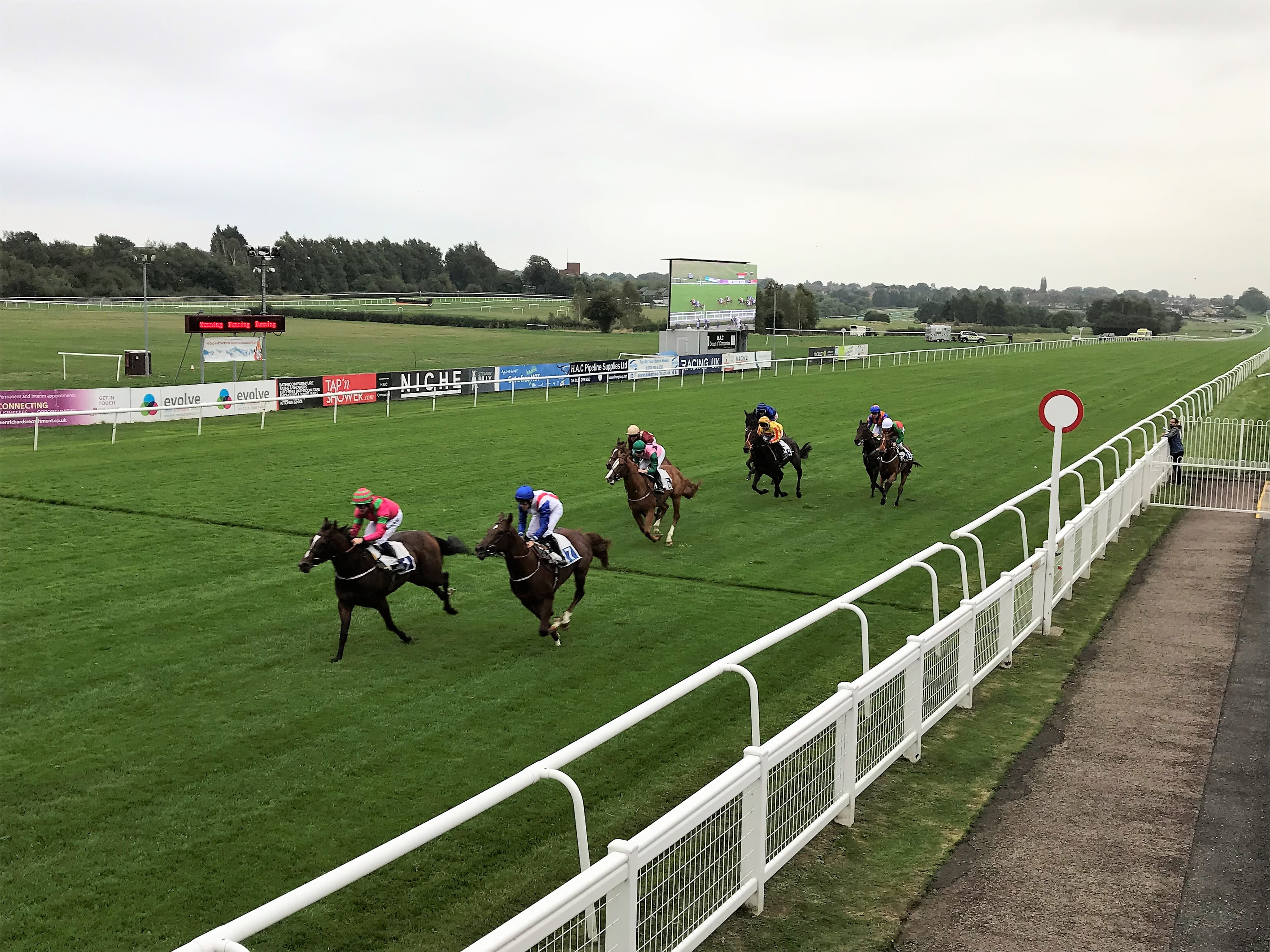
Flat and jumps
Leicester
A weak finisher is vulnerable; protect horses with stamina and proven ability to climb.
Read guide
Mixed
Lingfield
On AW, draw and position are central; on turf, balance and undulations add risk.
Read guide
Jumps
Ludlow
Tactical speed and clean jumping are protected; question horses that need a long stamina grind.
Read guide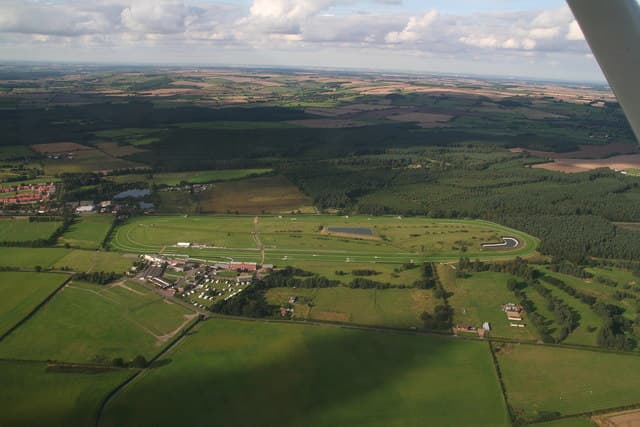
Jumps
Market Rasen
Speed and slick jumping matter; question slow stayers and horses that make repeated small mistakes.
Read guide
Flat and jumps
Newbury
Newbury gives strong horses a chance; focus lays on stamina, class-depth, or finishing-effort negatives.
Read guide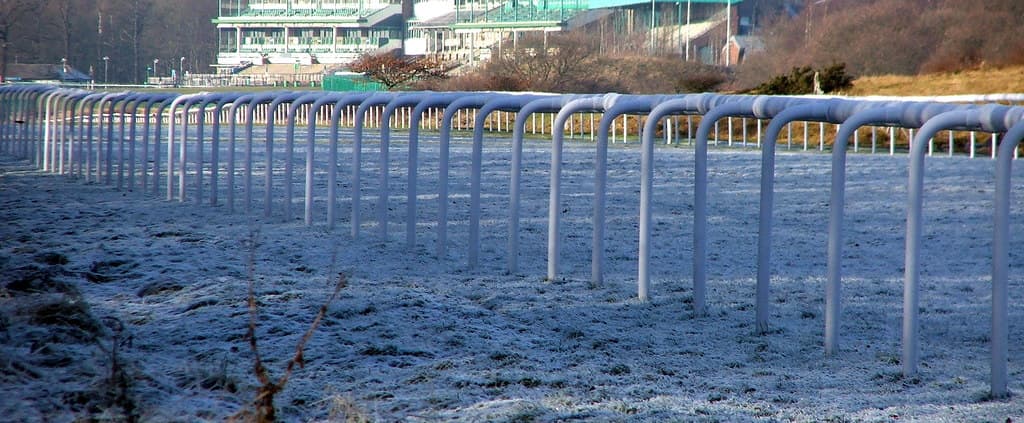
Mixed
Newcastle
On Tapeta, stamina and straight-track efficiency matter; question sharp-track speed horses that may not finish.
Read guide
Flat turf
Newmarket
Newmarket exposes balance, stamina, and class. Question short runners whose form may not survive the Dip, the climb, or a truly run straight race.
Read guide
Jumps
Newton Abbot
Protect fast, fluent summer jumpers; question slow stayers or horses needing deep-ground attrition.
Read guide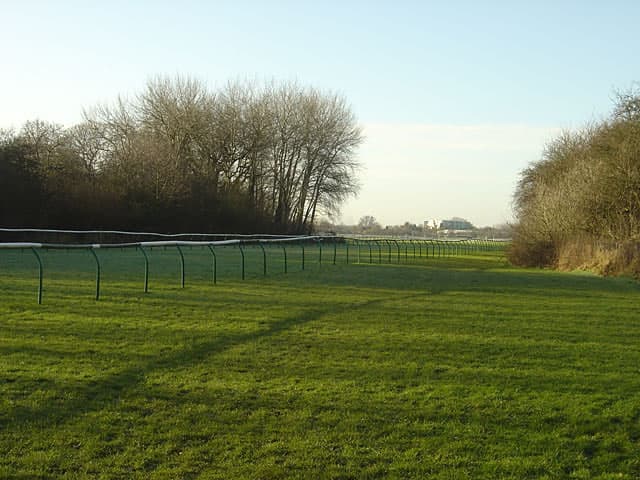
Flat turf
Nottingham
Fair but demanding enough to expose weak finishers; avoid overplaying draw without same-day evidence.
Read guide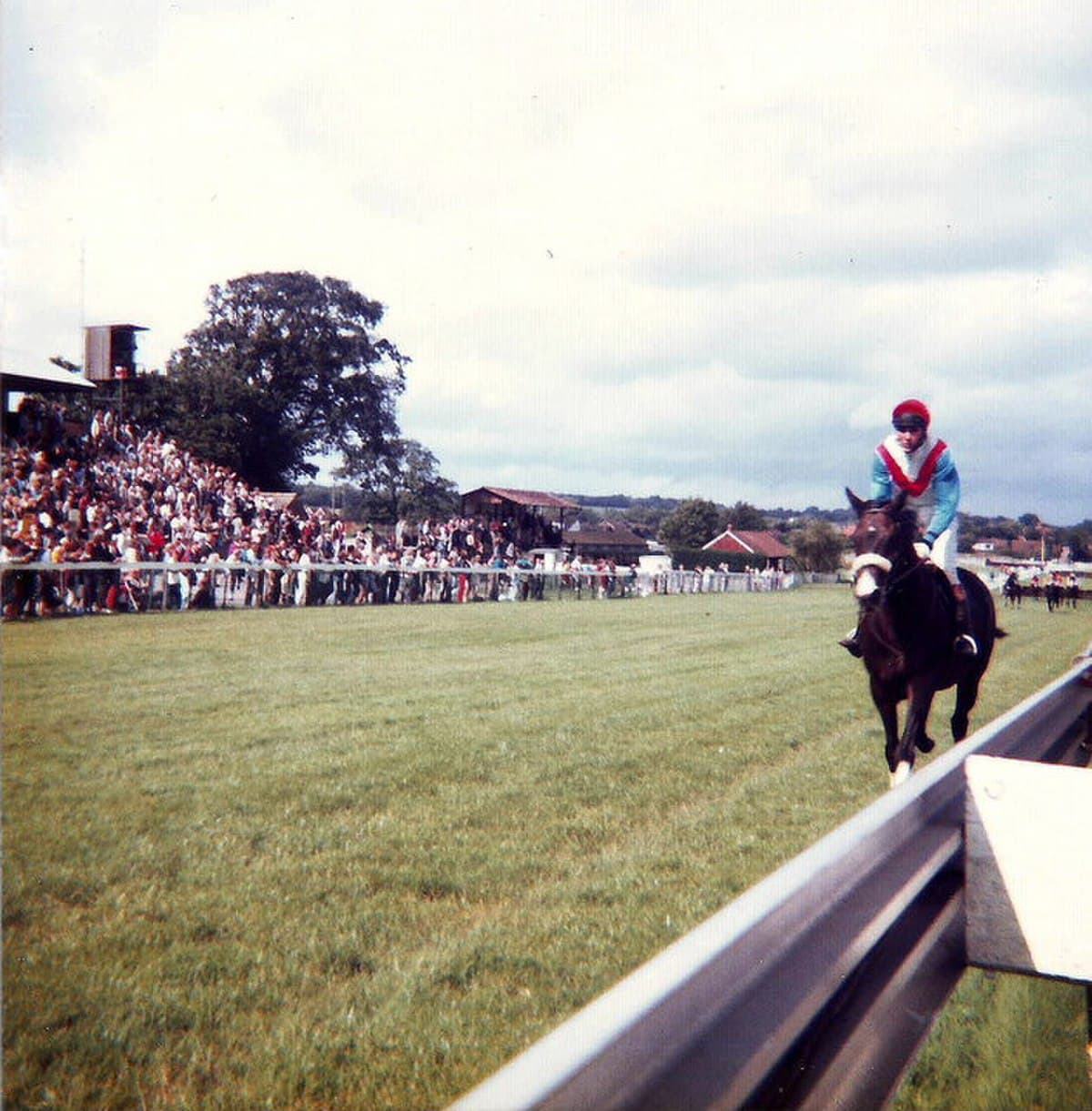
Jumps
Plumpton
Course specialists and handy jumpers are protected; question galloping horses that need time.
Read guide
Flat turf
Pontefract
Stamina and balance are key; question speed horses and doubtful stayers at short odds.
Read guide
Flat turf
Redcar
Question weak finishers and false pace horses; strong, uncomplicated gallopers are protected.
Read guide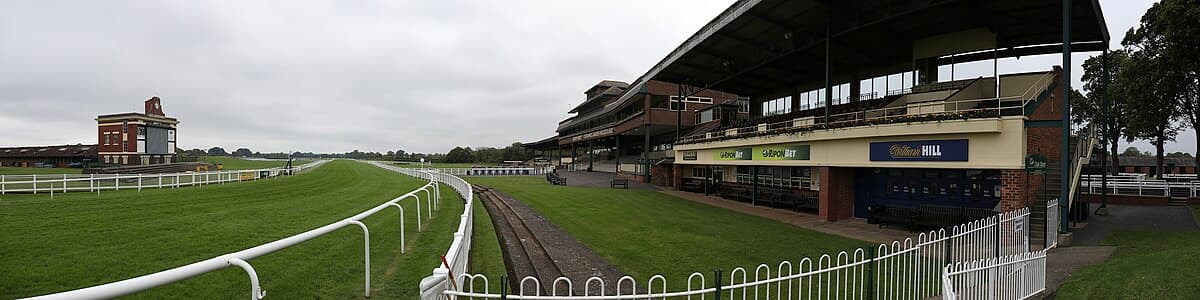
Flat turf
Ripon
Look for draw/pace in sprints and stamina up the finish over further.
Read guide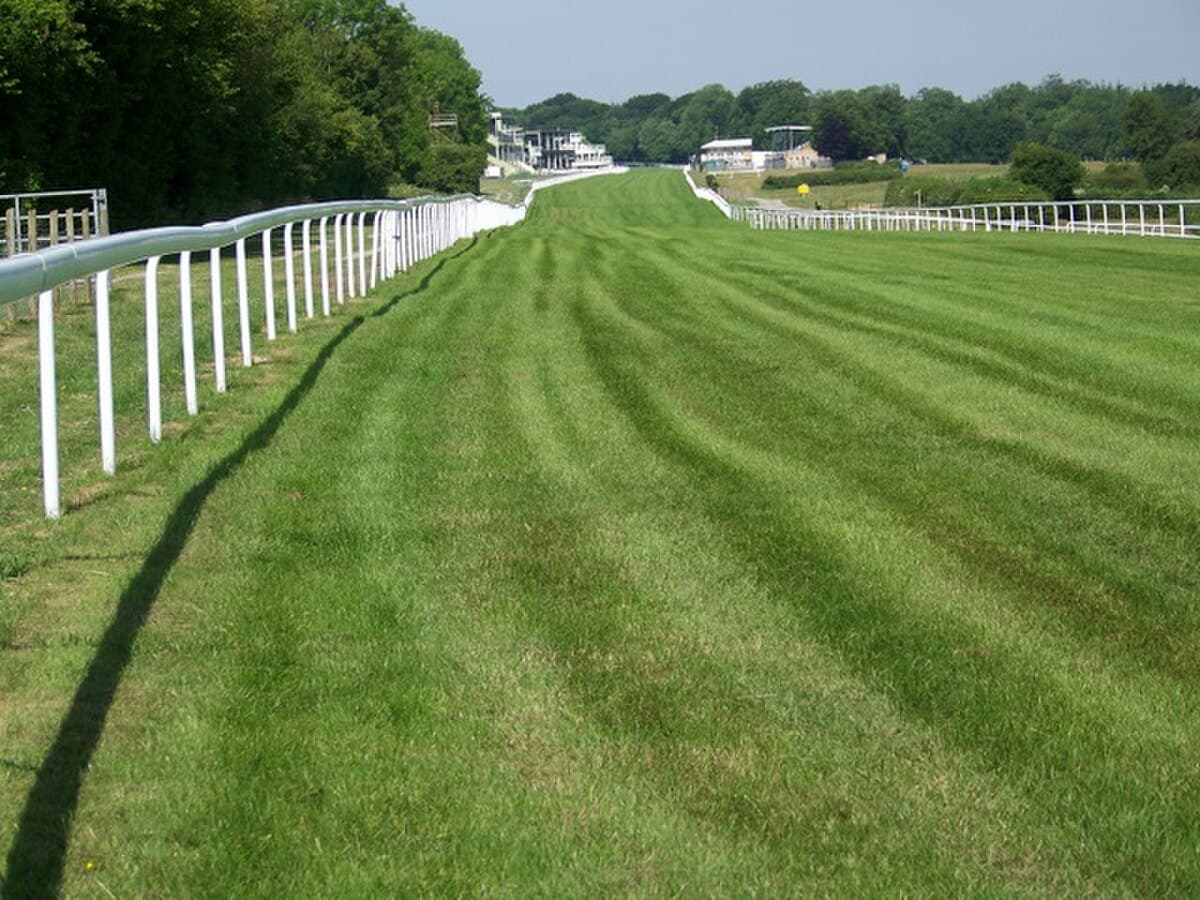
Flat turf
Salisbury
Question weak finishers and immature horses that may not handle the climb or undulations.
Read guide
Flat and jumps
Sandown
Sandown punishes weak finishers and poor jumpers; protect horses with class, stamina, and fluent rhythm.
Read guide
Jumps
Sedgefield
Sharp-track jumping and position matter; question slow stayers and horses needing a long straight.
Read guide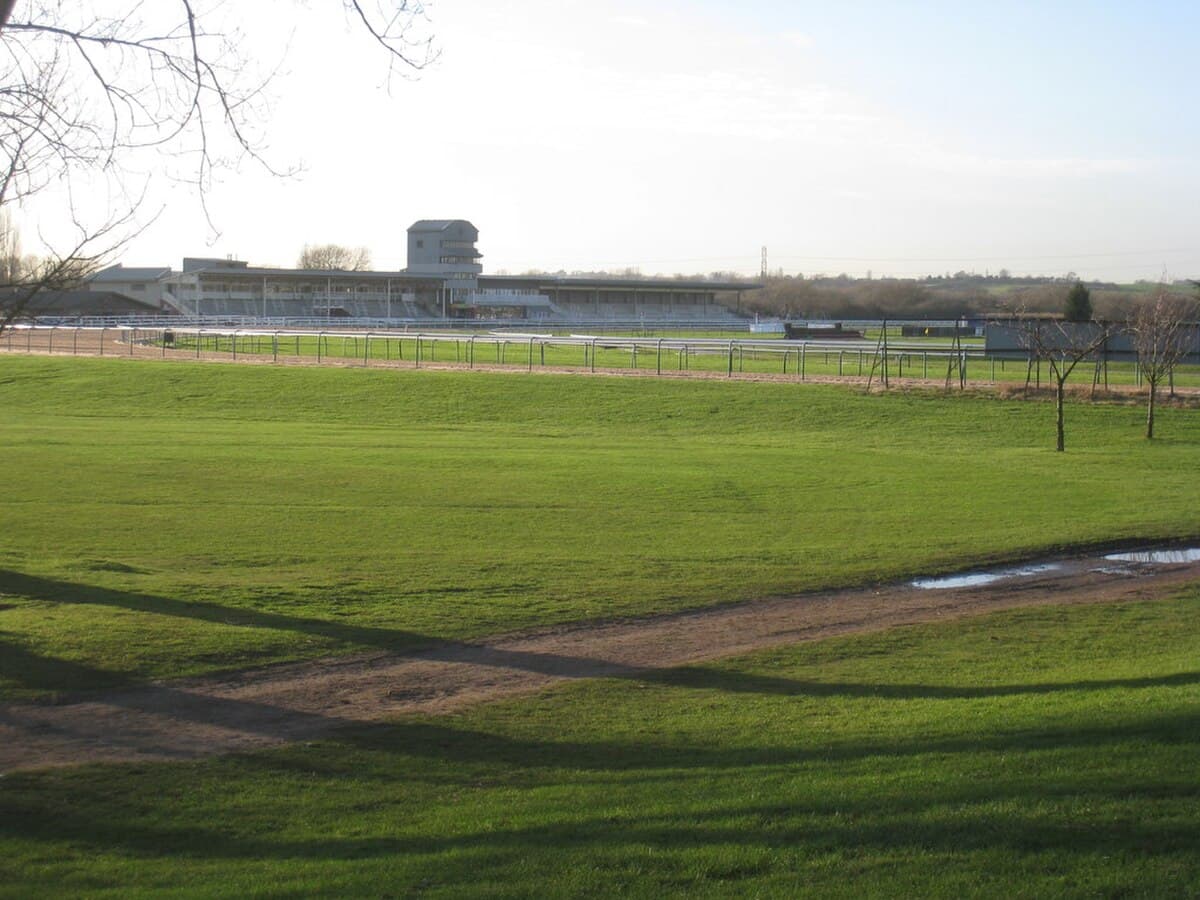
Mixed
Southwell
On AW, surface and kickback matter; over jumps, tight turns put pressure on speed and jumping rhythm.
Read guide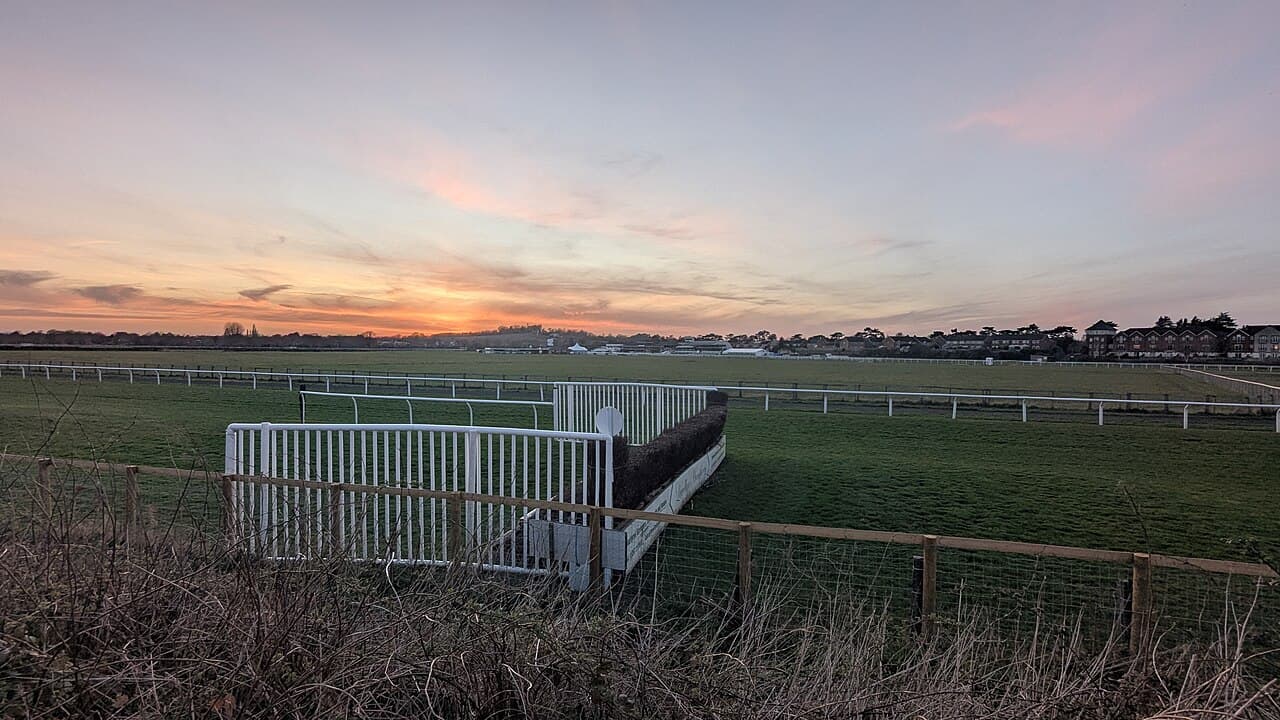
Jumps
Stratford
Speed and jumping efficiency are protected; question slow, stamina-only horses.
Read guide
Jumps
Taunton
Right-handed speed and jumping accuracy are protection; slow stayers can be vulnerable.
Read guide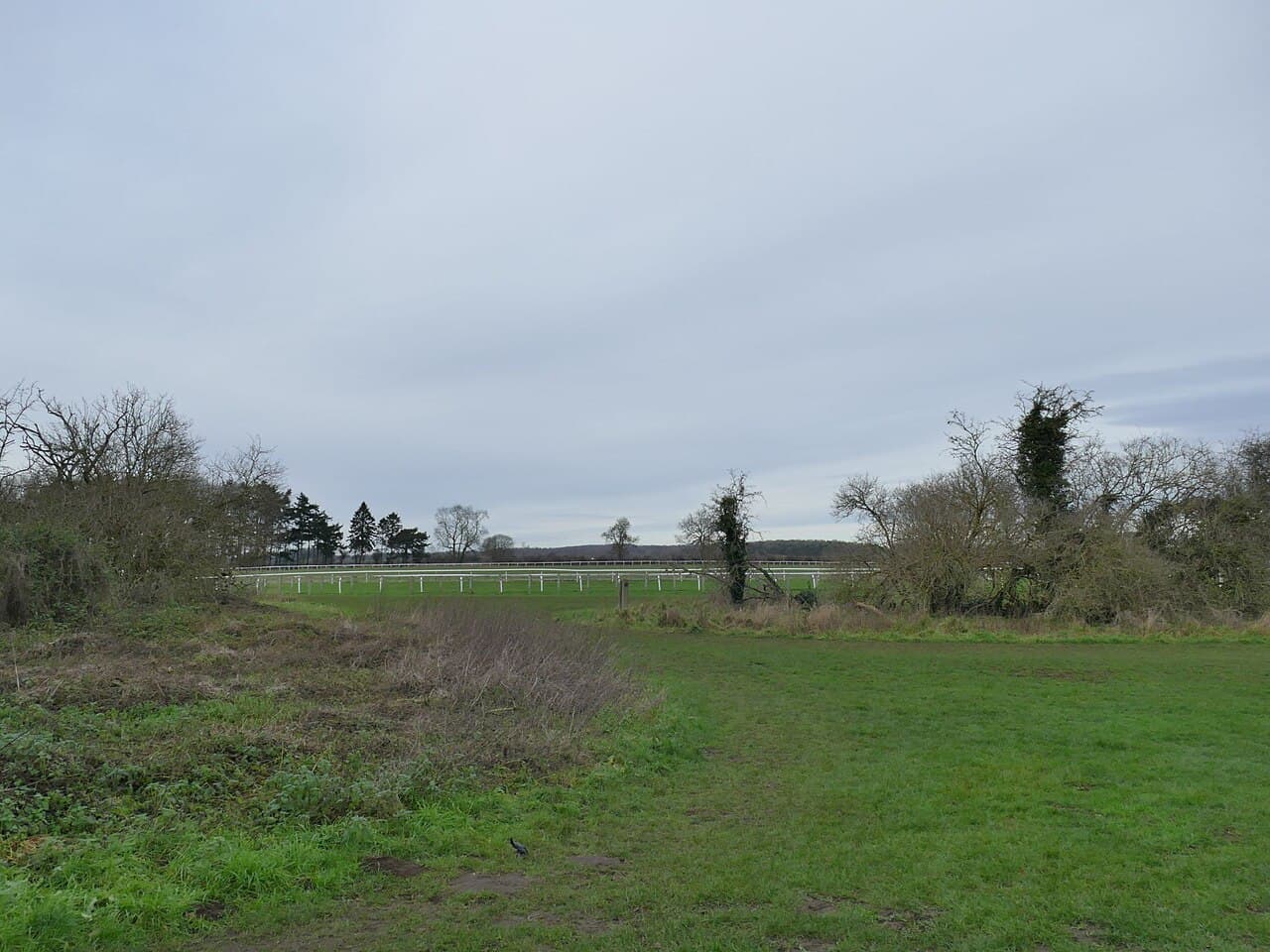
Flat turf
Thirsk
Draw and pace can matter; question runners needing time from poor position.
Read guide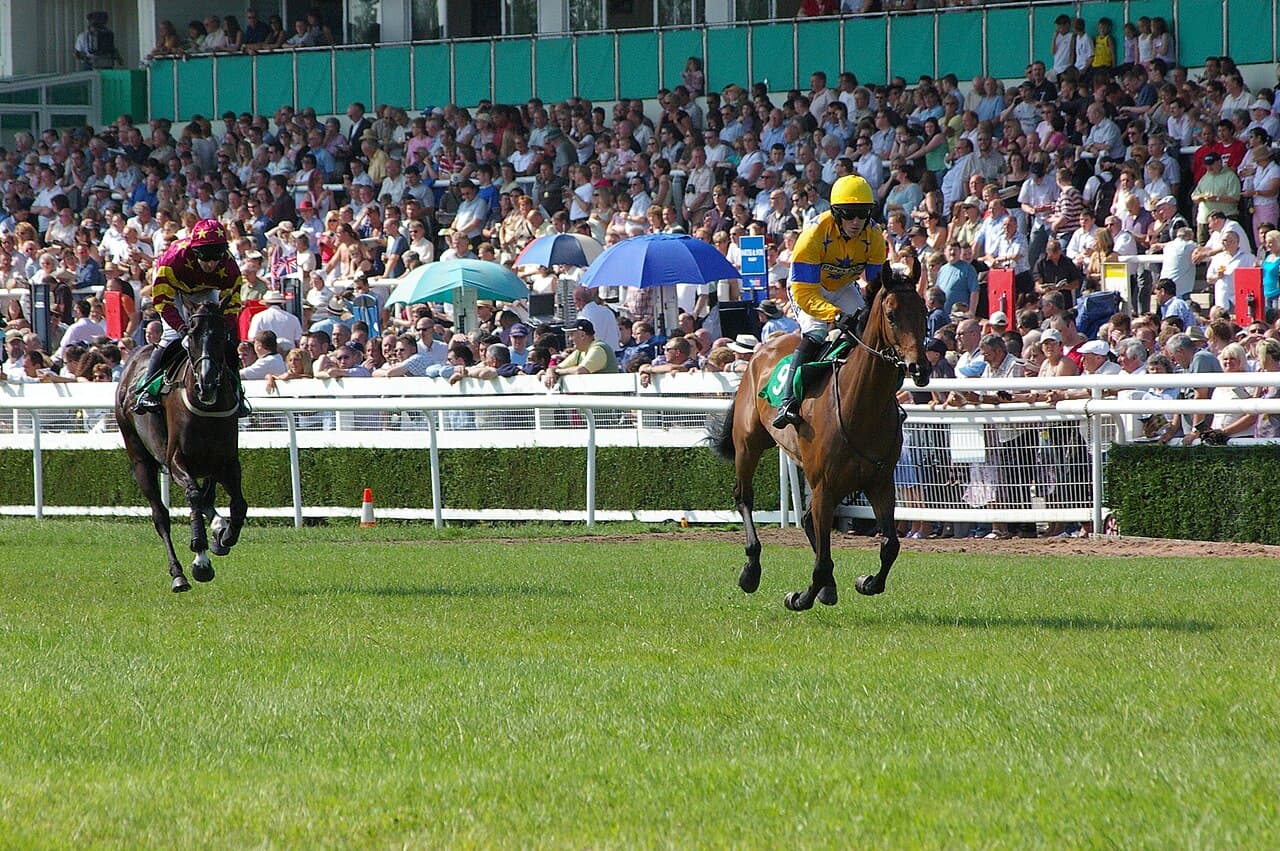
Jumps
Uttoxeter
Stamina, jumping and attitude matter; question short runners with fragile finishing effort.
Read guide
Jumps
Warwick
Slick jumping and position are heavily protected; question slow jumpers and horses needing a long recovery.
Read guide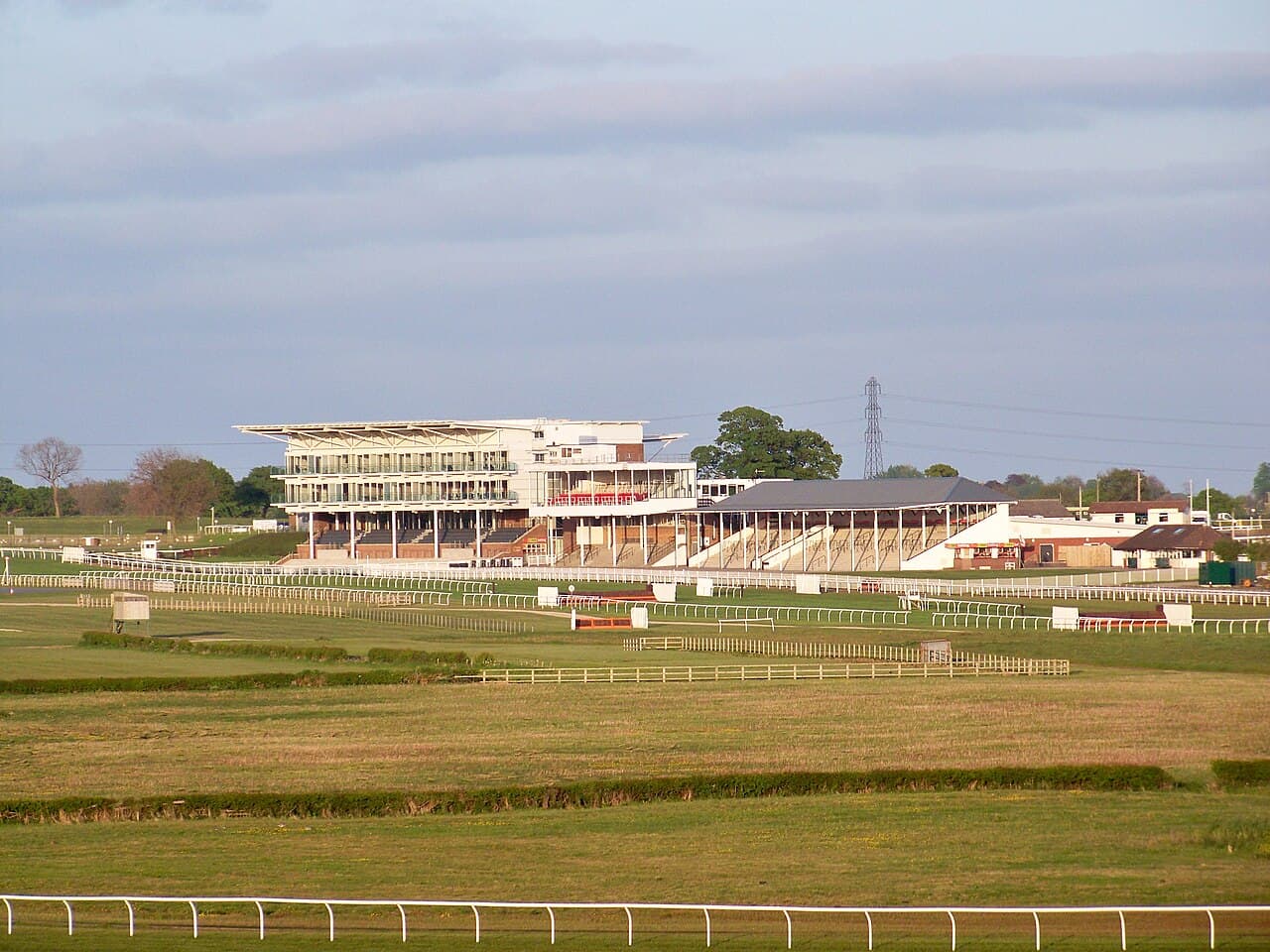
Flat and jumps
Wetherby
Wetherby suits sound jumpers and honest stayers; question weak finishers and doubtful stamina.
Read guide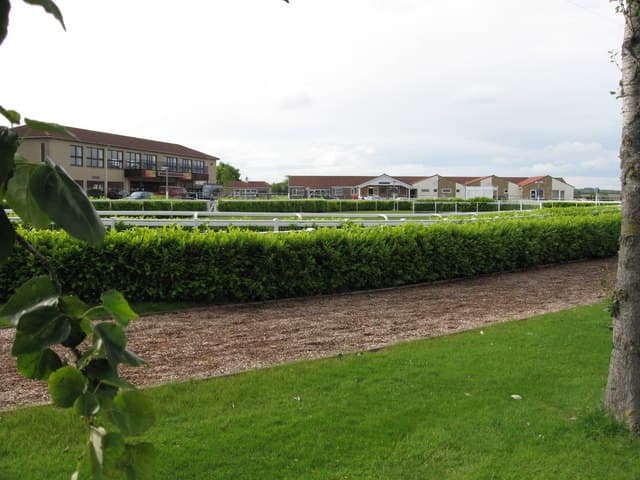
Jumps
Wincanton
Speed, jumping and right-handed rhythm matter; question left-leaning or one-paced favourites.
Read guide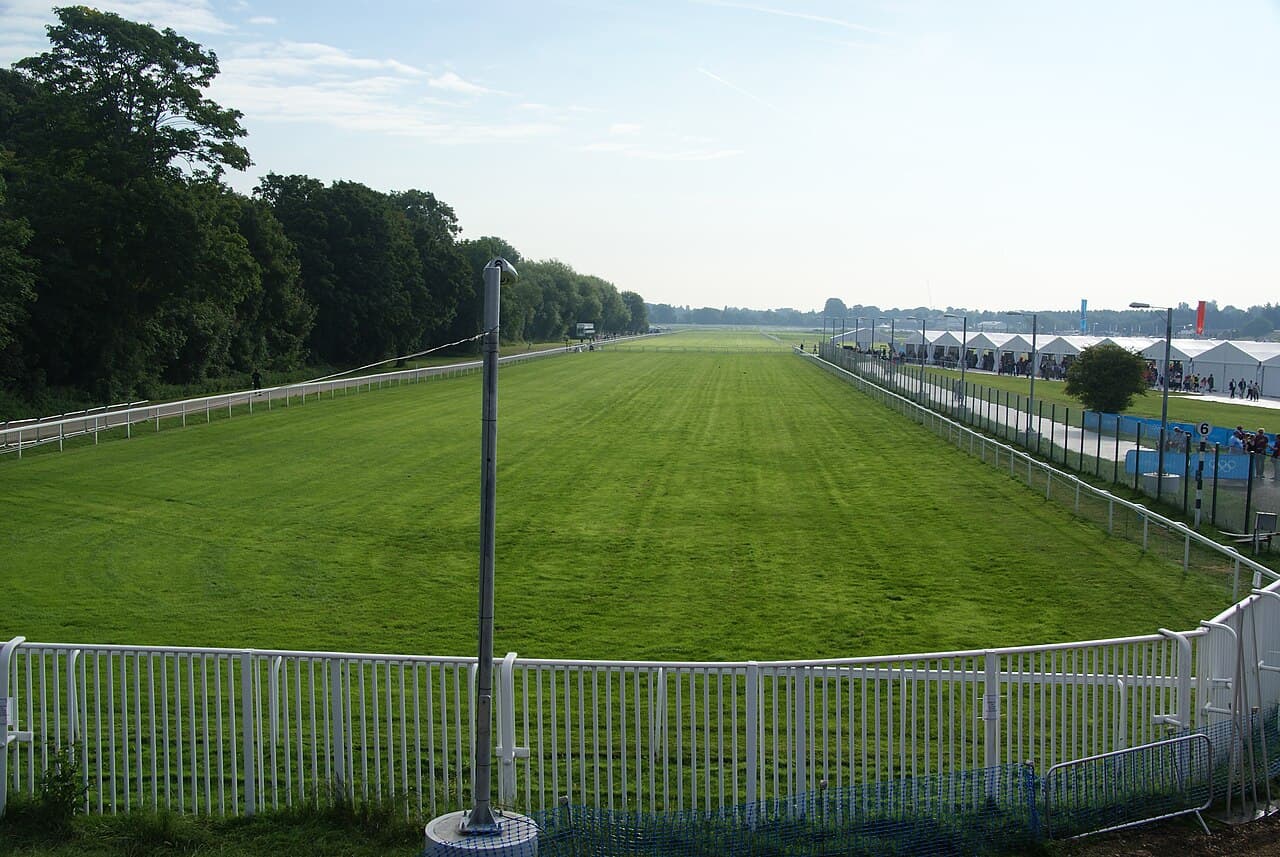
Flat and jumps
Windsor
Pace and position matter, especially on quick ground; question runners needing time after the bend.
Read guide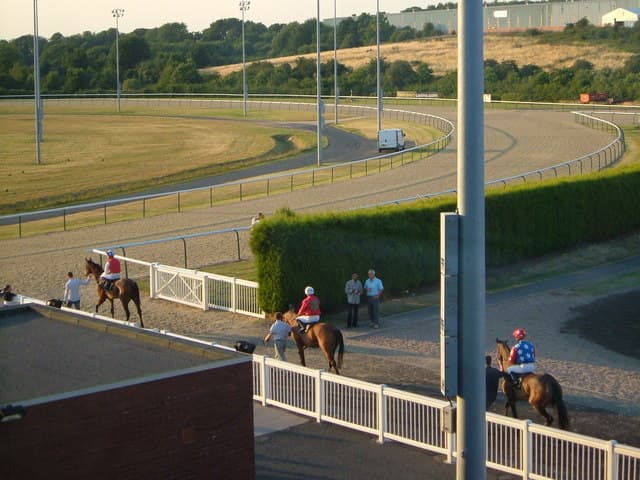
Flat AW
Wolverhampton
Position, draw and Tapeta efficiency matter; question horses needing time, turf-only profiles, or stamina at the extended mile.
Read guide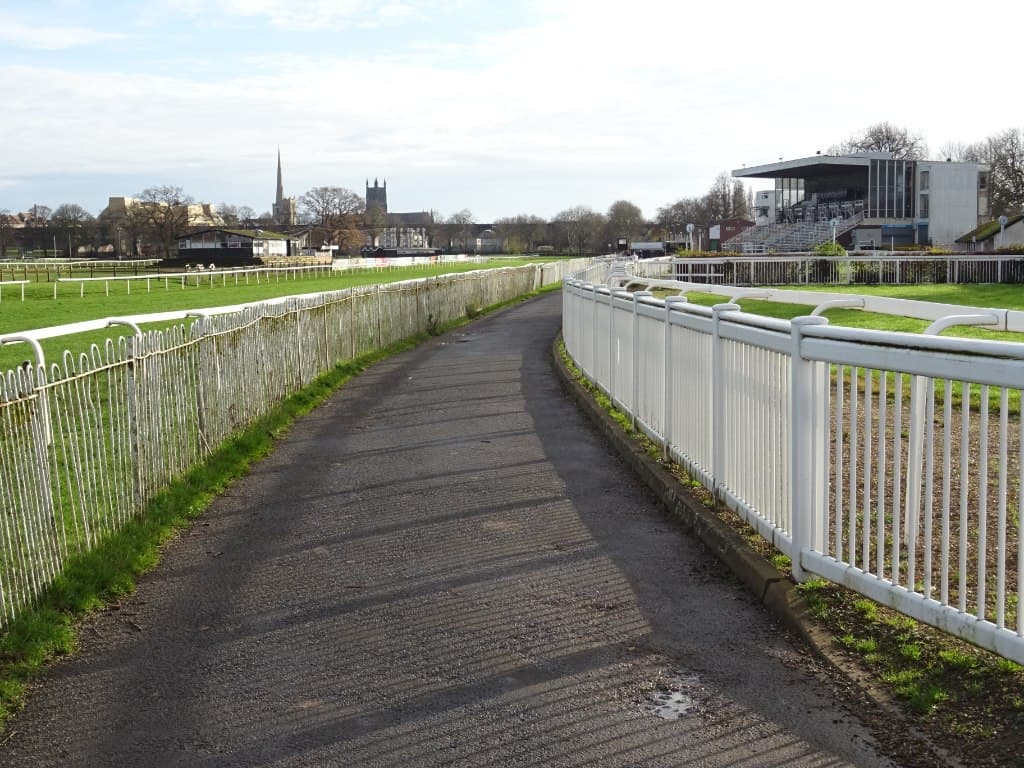
Jumps
Worcester
Summer jumping speed and ground matter; question horses needing a stiff winter test.
Read guide
Flat turf
York
York exposes weak stayers and fake finishers, but it also gives good horses time to recover; require a real vulnerability before laying a strong galloper.
Read guideScottish courses
Ayr, Musselburgh, Hamilton, Kelso and Perth
The Scottish guide set covers Flat, jumps, sharp-track speed, uphill finishes, summer jumping rhythm, stamina, and going changes across the main Scottish racecourses.

Flat and National Hunt turf
Ayr
Ayr can punish weak finishers, doubtful stayers, and favourites whose price ignores pace pressure, field depth, or worsening ground.
Read guide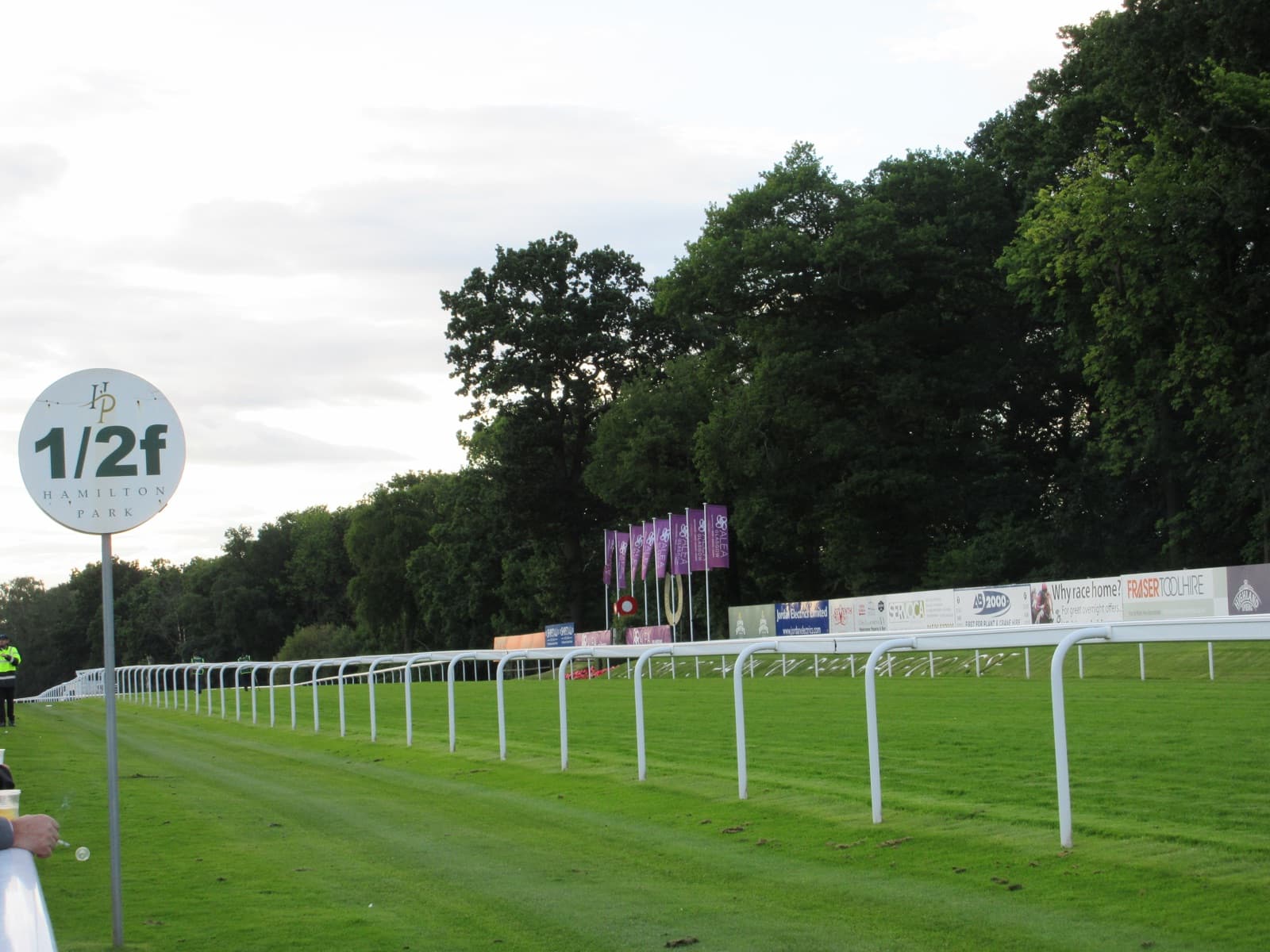
Flat turf
Hamilton
Hamilton is a finishing test. Be wary of short-priced speed horses, doubtful stayers, and runners whose previous wins came on easier, flatter finishes.
Read guide
National Hunt turf
Kelso
Kelso asks for jumping fluency and stamina. Short favourites are vulnerable when their jumping is untidy, their stamina is assumed, or the ground turns testing.
Read guide
Flat and National Hunt turf
Musselburgh
Musselburgh can protect handy speed, so be careful laying well-positioned pace; question short runners that need a long straight, cover, or late momentum.
Read guide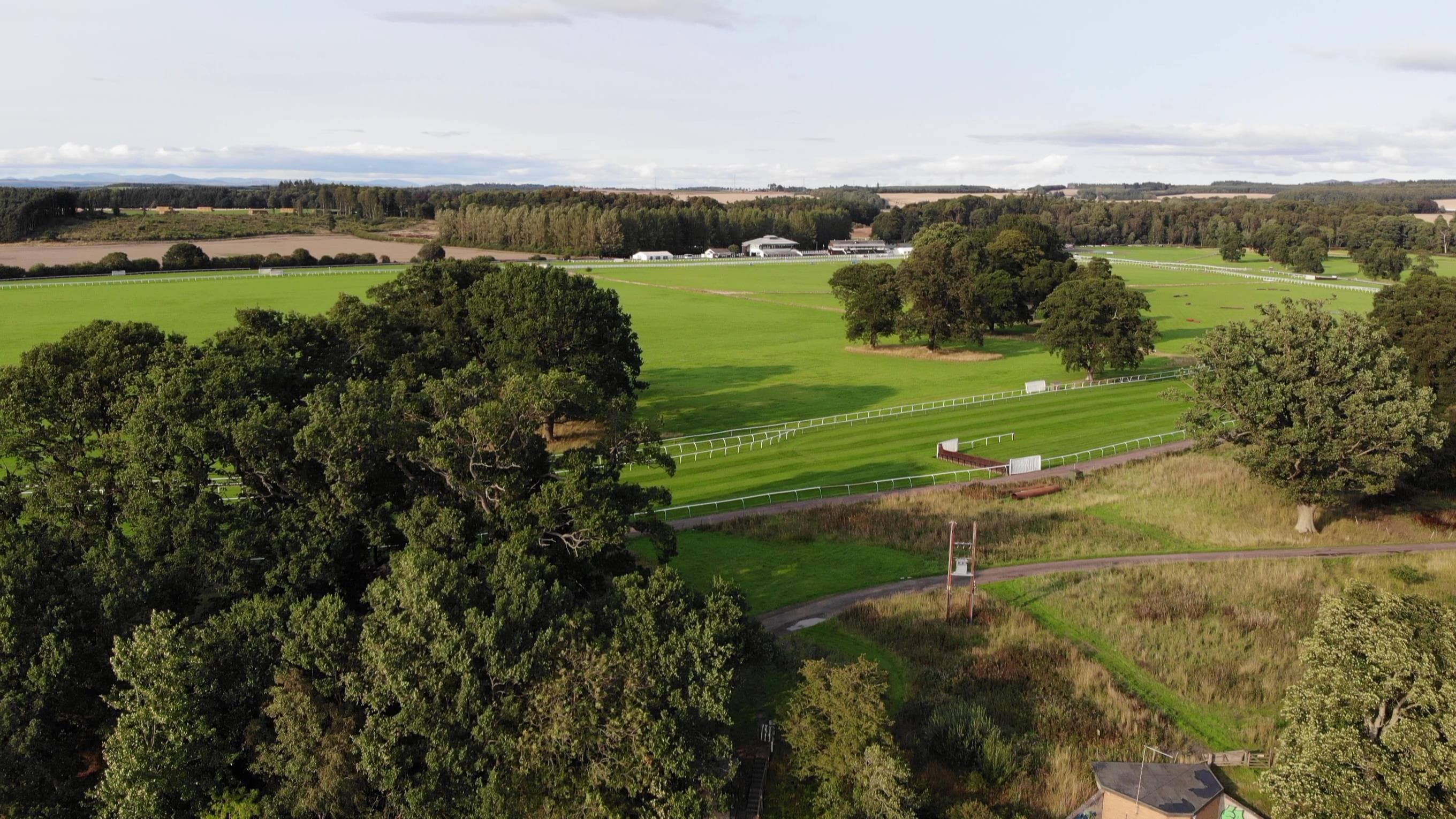
National Hunt turf
Perth
Perth can protect fluent, accurate jumpers and expose slow, clumsy, or doubtful stayers whose price relies too much on headline form.
Read guideIrish courses
Irish racecourses
The Irish guide set covers left-handed festival tracks, tight summer jumps circuits, galloping championship venues, beach racing, Dundalk's all-weather profile, front-runner protection, and going-sensitive lay traps.

Flat and jumps
Ballinrobe
Summer race fitness and track craft matter; question short runners needing a big galloping test.
Read guide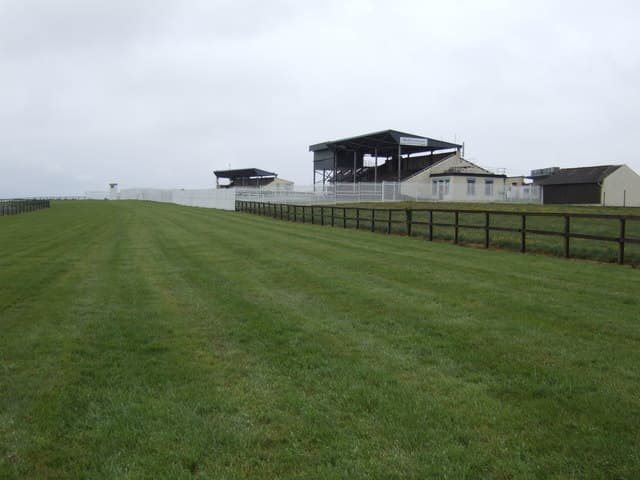
Flat and jumps
Bellewstown
Specialist track craft matters; question horses without balance, early position, or hilltop-course evidence.
Read guide
Flat and jumps
Clonmel
Stamina and right-handed jumping matter; question horses that travel but fail to climb.
Read guide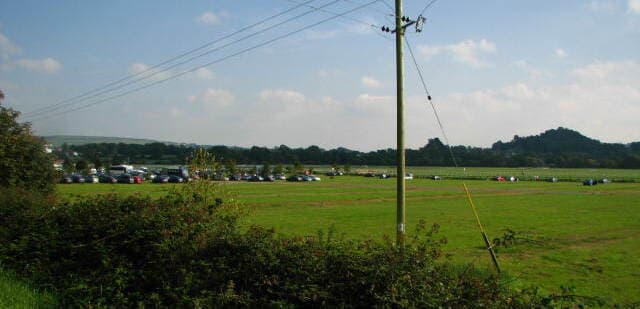
Flat and jumps
Cork
Cork is fair enough for class to show; focus lays on stamina, ground, or depth weaknesses.
Read guide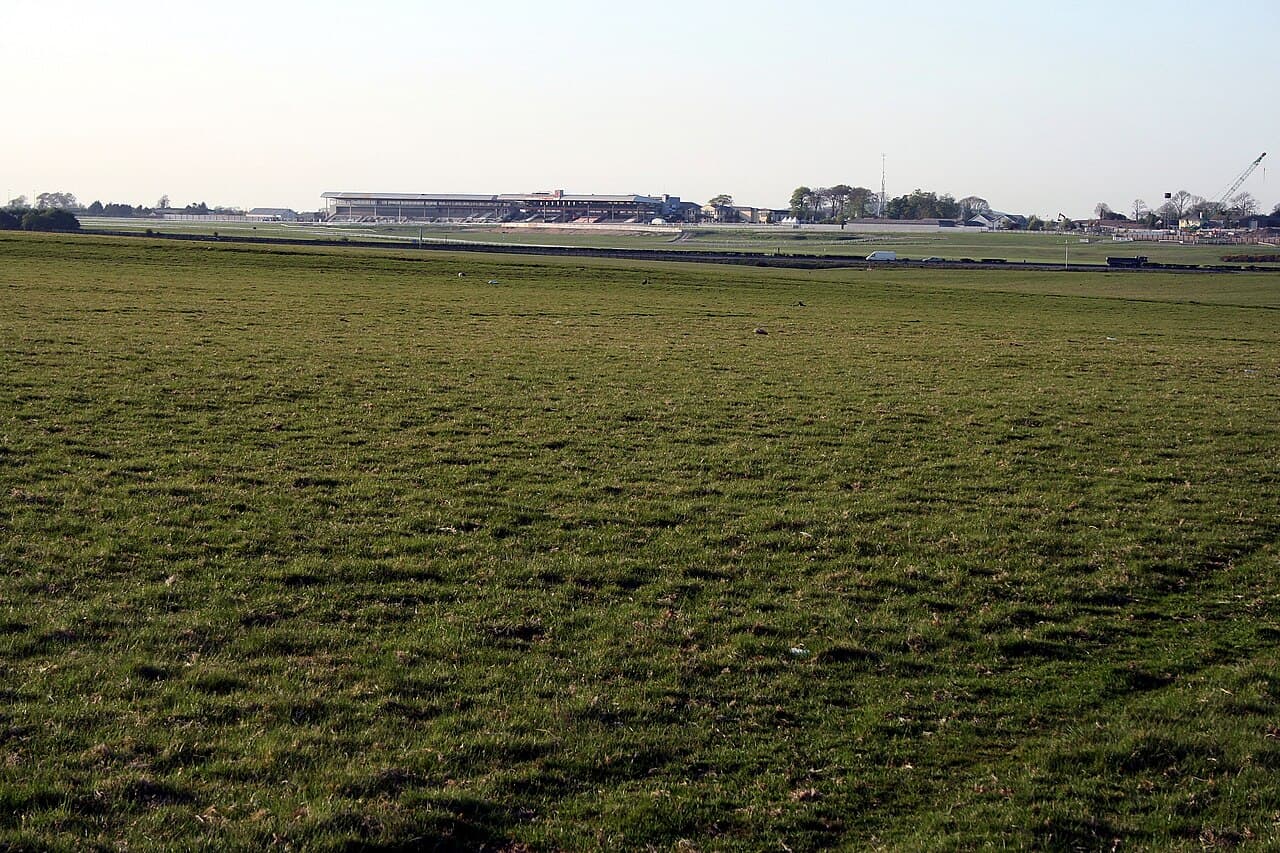
Flat turf
Curragh
The Curragh gives class and stamina time; lay only with a real negative, not just a short price.
Read guide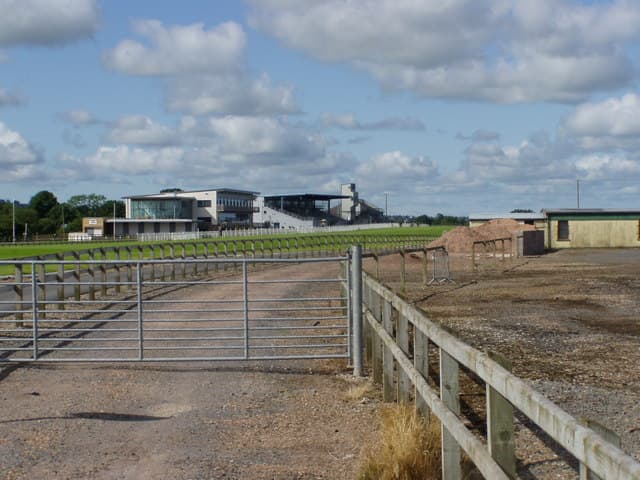
Flat and jumps
Down Royal
Position and right-handed rhythm matter; question horses relying on a stiff or left-handed setup.
Read guide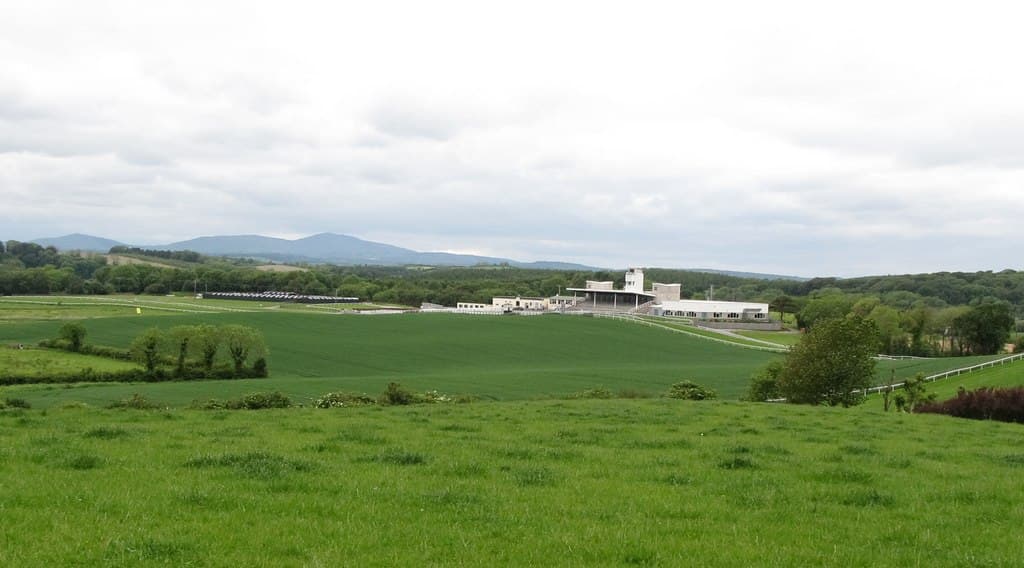
Jumps
Downpatrick
Track craft and stamina up the hill matter; question horses without right-handed or undulating evidence.
Read guide
Flat AW
Dundalk
Surface, draw and position matter; question turf-only horses and wide slow starters.
Read guide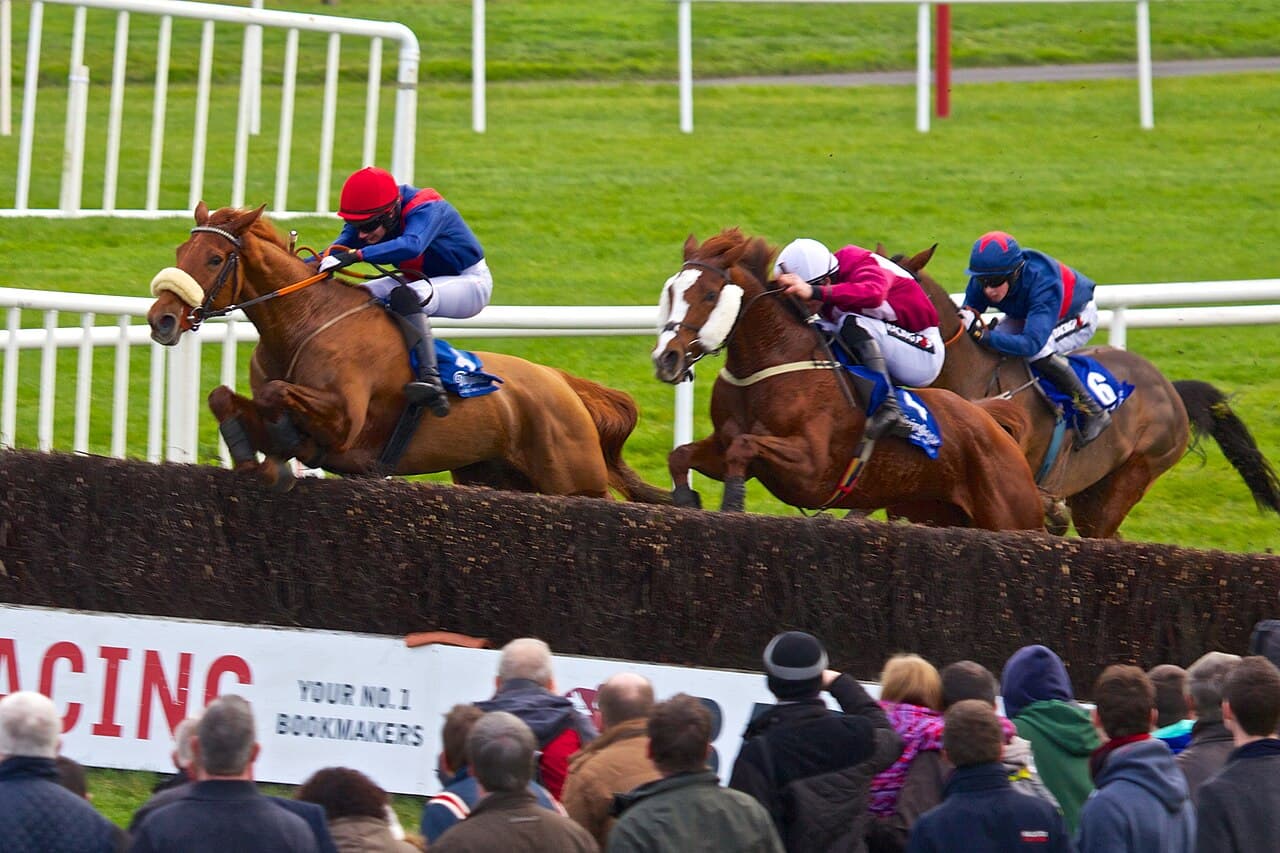
Flat and jumps
Fairyhouse
Class and stamina get a fair chance; question weak finishers or sketchy jumpers in deep fields.
Read guide
Flat and jumps
Galway
Galway course craft is huge; question short runners without position, balance, or hill evidence.
Read guide
Flat and jumps
Gowran Park
Balance and stamina matter; question smooth travellers that do not battle.
Read guide
Jumps
Kilbeggan
Summer pace and right-handed rhythm are key; question galloping stayers without tactical speed.
Read guide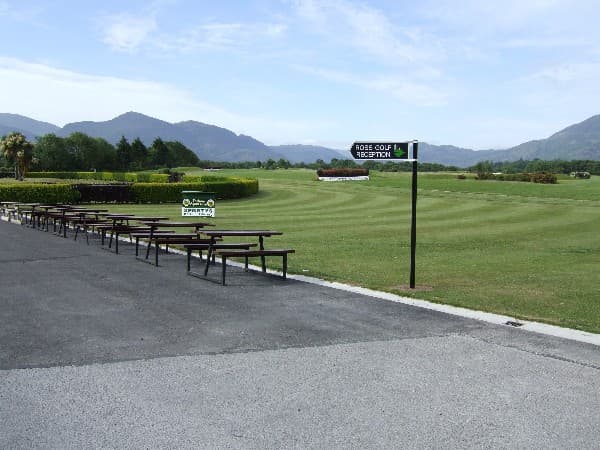
Flat and jumps
Killarney
Positive position and summer course suitability are protection; question runners with current wellbeing doubts or poor tactical setup.
Read guide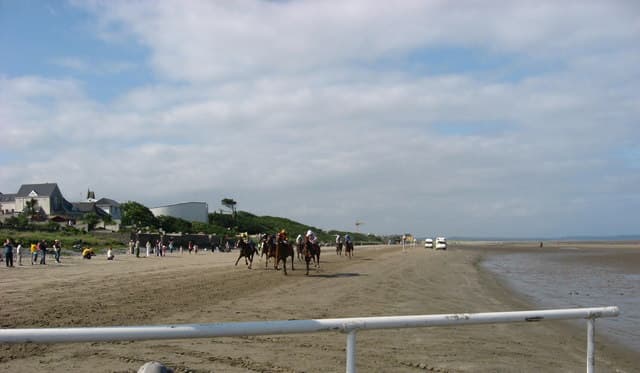
Flat beach
Laytown
Specialist conditions dominate; question any short runner without beach, surface, temperament, or crowd-day evidence.
Read guide
Flat and jumps
Leopardstown
Class has time to show; question weak finishers or short runners lacking depth in strong fields.
Read guide
Flat and jumps
Limerick
Right-handed rhythm and stamina matter; question weak finishers or horses that jump left.
Read guide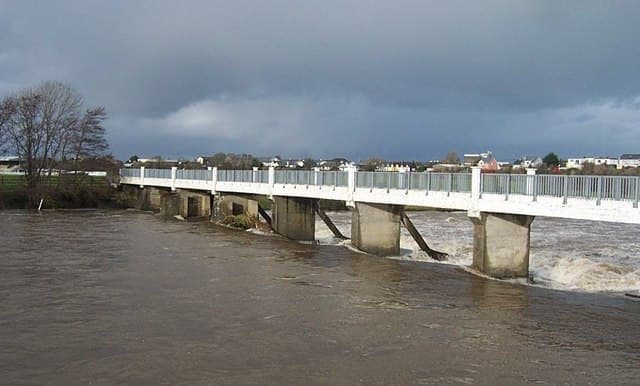
Flat and jumps
Listowel
Course craft and festival pace matter; question inexperienced or poorly positioned short runners.
Read guide
Flat and jumps
Naas
Stamina and class are important; question speed-only profiles and weak finishers.
Read guide
Flat and jumps
Navan
Navan is a stamina and attitude test; question weak finishers at short prices.
Read guide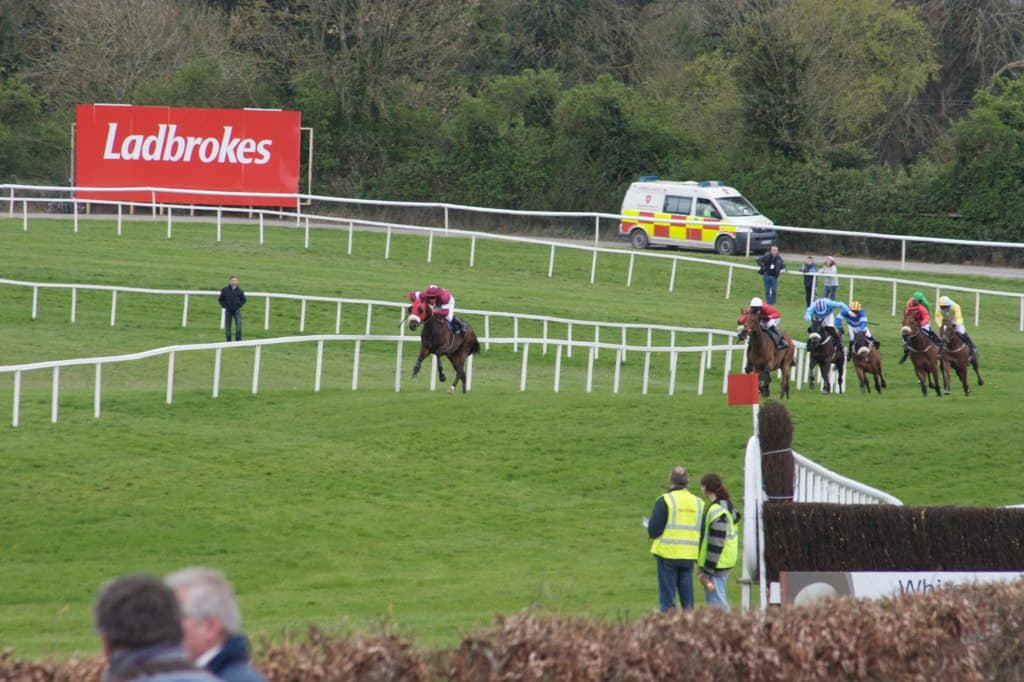
Flat and jumps
Punchestown
Class and stamina are protected; question short runners with jumping or depth doubts in strong fields.
Read guide
Flat and jumps
Roscommon
Balance, right-handed rhythm and race fitness matter; question exposed horses with weak current form.
Read guide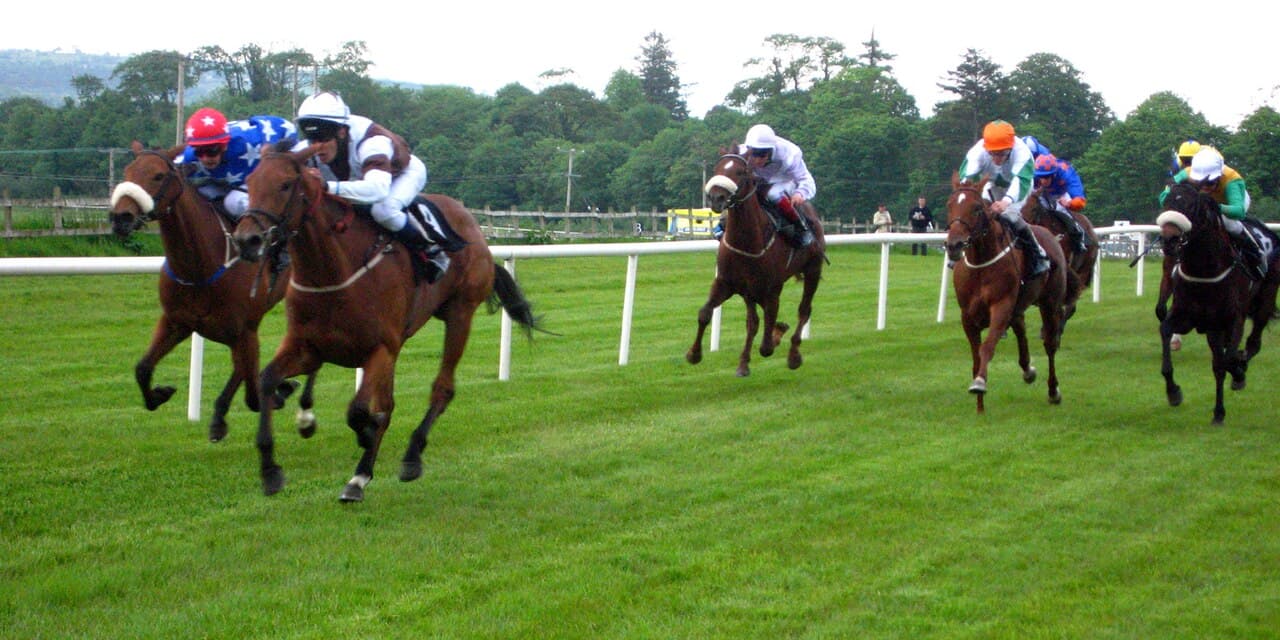
Flat and jumps
Sligo
Course craft and position matter; question horses without sharp, right-handed evidence.
Read guide
Jumps
Thurles
Stamina and right-handed jumping are key; question weak finishers and left-jumping horses.
Read guide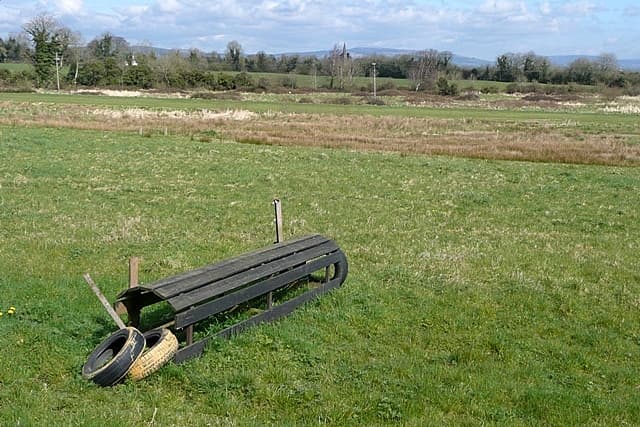
Flat and jumps
Tipperary
Treat it as a fair track but still check position, ground, and race depth before opposing.
Read guide
Jumps
Tramore
Specialist track craft matters; question horses without right-handed balance or sharp-track rhythm.
Read guide
Jumps
Wexford
Balance, jumping and course rhythm matter; question horses with stamina or jumping fragility.
Read guideCourse factors to check
Draw, pace, turns, undulations, fences, surface, going, and distance can all alter whether a horse is genuinely vulnerable.
Do not overfit one angle
A draw bias or course concern is useful only when it fits the race evidence. Strong form, class, or market support can still protect a runner.
Keep liability central
Even a persuasive course angle is not enough if the lay odds create too much liability for the plan.
Related guides
Course context should connect back to strategy, tips, and responsible betting before it influences any manual decision.
How to pick horses to lay
Join live racecard evidence to course shape before deciding whether a runner is genuinely vulnerable.
Read guideHorse racing lay strategy
Turn course notes into a fuller PLAY/SKIP research process with price and liability checks.
Read guideHorse racing lay tips
See what a useful racing lay tip should explain before opposing a runner.
Read guideResponsible lay betting
Keep racecourse angles tied to liability, staking discipline, and the ability to skip.
Read guideBest reading path
Follow the lay betting learning route
Move through the core guides in order: basics, liability, exchange mechanics, strategy, racecourse context, and transparent results methodology.
Step 1
What is lay betting?
Start with the basic exchange concept: opposing a selection rather than backing it to win.
Open guideStep 2
Liability
Understand the amount at risk before looking at tips, strike rates, or staking.
Open guideStep 3
Exchange guide
Learn how lay odds, liquidity, matching, and commission affect a usable price.
Open guideStep 4
Strategy
Turn runner vulnerability, public checks, price, and skip discipline into a process.
Open guideStep 5
Racecourse guides
Add course shape, draw, pace, going, and distance context before trusting a lay angle.
Current stepStep 6
Results methodology
Read how settled public results are counted before judging any performance record.
Open guideLay Picks is for informed adults who want a clearer research routine. It is research and tracking software only, never automatic betting. You stay responsible for every manual decision. 18+ only. Read the risk disclaimer.