
Musselburgh racecourse guide
Musselburgh Racecourse Lay Betting Guide: Sharp Turns, Pace and Scottish Flat-Jumps Form
A Musselburgh Racecourse guide for lay betting research, covering sharp-track speed, draw and pace, Flat and jumps races, quick ground, stamina limits, and under-cap lay checks.
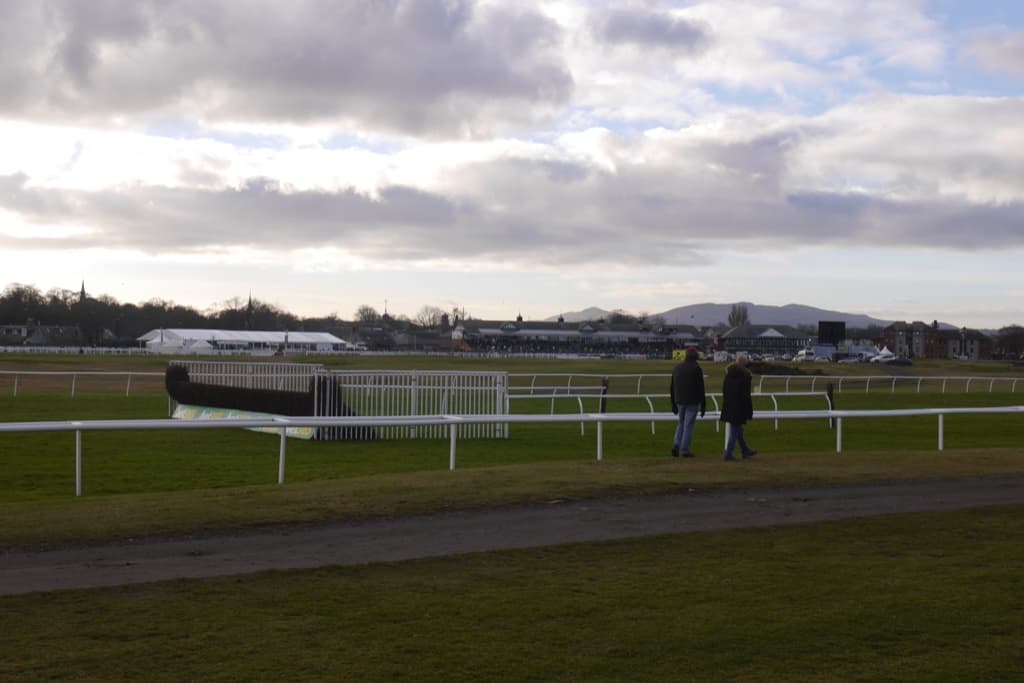
Location
Musselburgh, East Lothian
Code
Flat and National Hunt turf
Direction
Right-handed
Racing
Flat and jumps
Shape
Sharp, right-handed oval with tactical bends
Run-in
Relatively short and speed-friendly
Quick lay view
Musselburgh is often a tactical, position-led Scottish track. It can suit sharp, handy horses that travel easily around bends, while exposing favourites that need time, space, or a stronger galloping finish to hit top gear.
Musselburgh can protect handy speed, so be careful laying well-positioned pace; question short runners that need a long straight, cover, or late momentum.
Horse-geek notes
The course is sharper than many punters expect, so early position and bend speed can matter more than overall class in ordinary races.
Flat races can reward horses that break well, settle handy, and quicken before closers have fully organised.
On jumps days, accurate jumping and tactical speed can be more useful than one-paced stamina.
Because the track can be quick, a short runner with a slow-starting or hold-up profile needs a proper reason to be trusted.
Musselburgh lay betting checklist
Upgrade tactical speed
A horse with pace, position, and track suitability is protected. Laying that profile needs a strong negative elsewhere.
Question slow starters
A favourite that misses the break or needs cover can be in trouble before the race opens up.
Check whether stamina is overbet
Some proven stayers are too slow for Musselburgh's rhythm. A grinder can be vulnerable if the race becomes tactical.
Do not ignore draw and bend pressure
A wide or awkward position can be costly when several inside runners want to be prominent.
Distance notes
5f-7f
Break speed, draw, and pace are important. A short hold-up sprinter can be a genuine lay candidate.
1m-1m4f
Position still matters, especially if the pace is steady. Question runners that need a strong gallop and lots of room.
Staying Flat races
Stamina matters, but tactical speed can decide when the race quickens. One-paced favourites can be vulnerable.
Jumps
Fast, accurate jumping is a major protection signal. Laboured jumpers can lose position quickly.
Draw and pace
Inside pace is usually a positive when it lets a runner save ground and control the bend.
Wide prominent runners can be forced to spend early energy.
Hold-up horses need a clear pace collapse because the straight may not give them endless rescue time.
A jockey who can protect position is a real asset at Musselburgh.
Going checks
Quick ground can strengthen the case for handy speed.
Softer ground reduces the pure speed edge but does not remove the need to hold position.
Check whether a favourite's best form came on a much more galloping or testing track.
Lay betting at Musselburgh
Lay betting at Musselburgh
Musselburgh lay betting is often about position. The course can protect well-drawn speed and expose short-priced runners that need luck, cover, or a late sweeping run.
Why draw and pace matter at Musselburgh
Sharp turns and a speed-friendly rhythm mean pace maps matter. Lay Picks checks whether the favourite can secure a useful position or whether the race shape leaves it chasing from too far back.
How Lay Picks treats Musselburgh races
The Musselburgh process gives extra protection to tactical speed, course form, and accurate jumping. It is more sceptical of slow starters, grinders, and horses whose best evidence came on fairer galloping tracks.
Lay red flags
Short favourite with repeated slow starts.
Hold-up runner in a race without obvious pace collapse.
Wide-drawn pace horse likely to be caught outside.
One-paced stayer dropping into a tactical race.
Jumps favourite that loses rhythm at speed.
Best use cases
A market leader looks best on ratings but not on track fit.
The race may be controlled by one or two handy rivals.
The favourite needs a long straight to show its best finishing kick.
Related guides
Musselburgh course notes are only one layer. Tie them back to strategy, racing tips, and responsible betting before making a manual call.
Horse racing lay strategy
Connect course notes to a full race research process with PLAY/SKIP discipline.
Read guideHorse racing lay tips
See how racecourse angles fit into a useful lay tip before opposing a runner.
Read guideResponsible lay betting
Keep course bias, liability, staking discipline, and manual control in the same decision.
Read guideBest reading path
Follow the lay betting learning route
Move through the core guides in order: basics, liability, exchange mechanics, strategy, racecourse context, and transparent results methodology.
Step 1
What is lay betting?
Start with the basic exchange concept: opposing a selection rather than backing it to win.
Open guideStep 2
Liability
Understand the amount at risk before looking at tips, strike rates, or staking.
Open guideStep 3
Exchange guide
Learn how lay odds, liquidity, matching, and commission affect a usable price.
Open guideStep 4
Strategy
Turn runner vulnerability, public checks, price, and skip discipline into a process.
Open guideStep 5
Racecourse guides
Add course shape, draw, pace, going, and distance context before trusting a lay angle.
Current stepStep 6
Results methodology
Read how settled public results are counted before judging any performance record.
Open guideOther racecourse guides
References
These are course-information and image-license references. Lay Picks turns them into original lay betting research notes and does not place bets automatically.
Lay Picks is for informed adults who want a clearer research routine. It is research and tracking software only, never automatic betting. You stay responsible for every manual decision. 18+ only. Read the risk disclaimer.