
Kempton racecourse guide
Kempton Racecourse Lay Betting Guide: Draw, pace, going and distance
A horse-geek Kempton Racecourse guide for lay betting research, covering draw, pace, going and distance, under-cap lay checks, protected profiles, and race-shape traps.
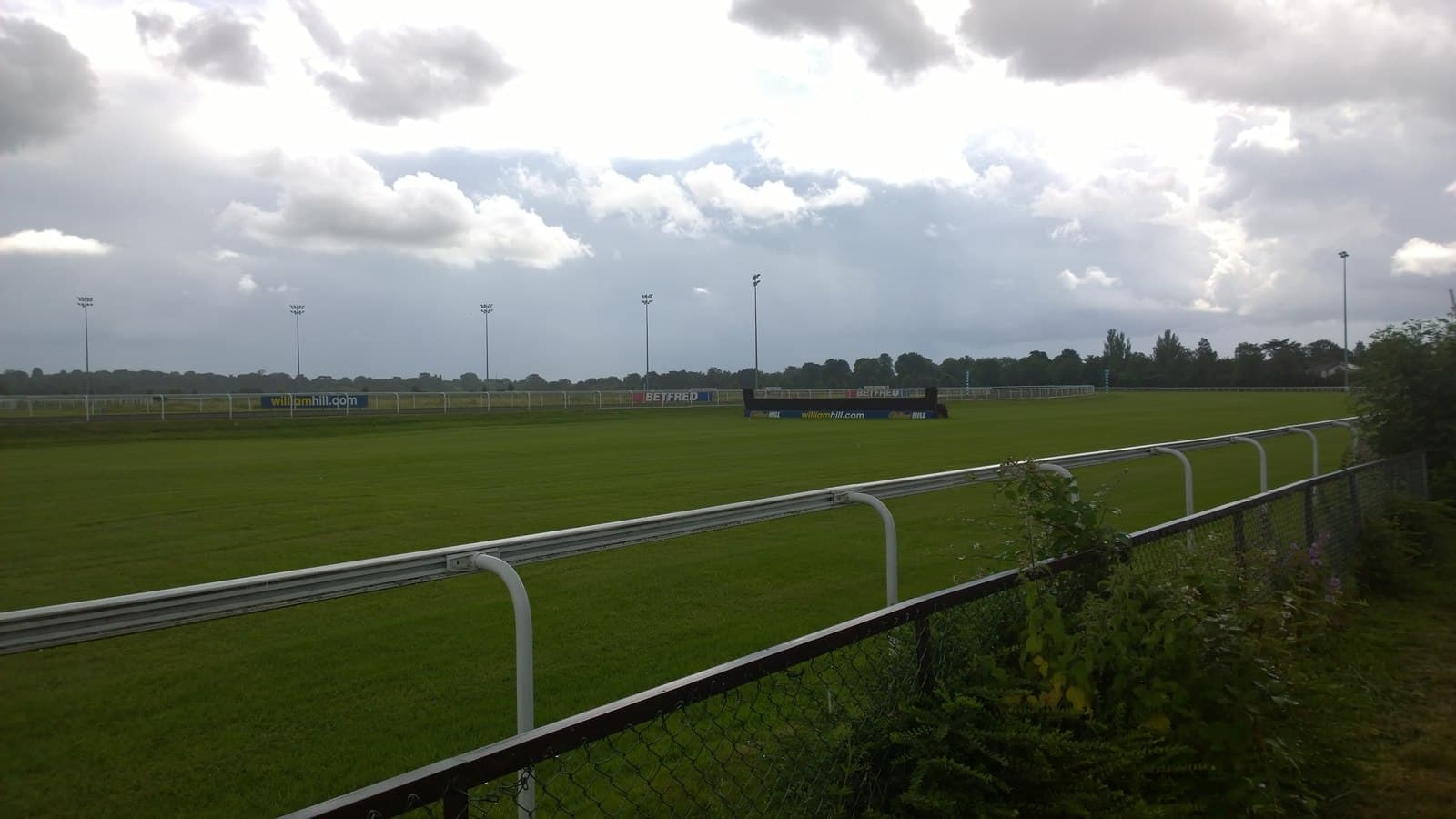
Location
Surrey, England
Code
Mixed
Direction
Right-handed
Racing
All-weather Flat and National Hunt
Shape
Sharp Polytrack oval plus flat, right-handed jumps track
Run-in
Short to moderate
Quick lay view
Kempton is an all-weather and jumps venue where surface, pace, and tactical position can decide whether a favourite is actually safe. For lay betting, the useful question is whether the horse has Polytrack efficiency, tactical speed, and current intent, or whether the market is borrowing confidence from turf or unsuitable race shapes.
Kempton often rewards speed, position and slickness; question slow-starting AW runners and laboured jumpers.
Horse-geek notes
On the all-weather, Kempton often rewards efficiency: breaking well, holding position, and quickening before the race has gone.
Turf form does not automatically transfer to Polytrack, especially for horses that need cut, long straights, or a searching stamina test.
Draw and pace are trip-dependent. A bad stall is most interesting when it combines with a run style that needs position.
Kempton evening markets can move late. Stale odds or thin liquidity should reduce confidence before any lay call.
Jumps races at Kempton are sharper than many staying venues, so tactical speed and jumping rhythm can protect a short one.
Kempton lay betting checklist
Confirm surface evidence
A short favourite with only turf proof deserves extra scrutiny if rivals have proven Polytrack speed or course form.
Pair draw with run style
The draw matters most when the horse needs to lead, needs cover, or risks being trapped wide around bends.
Check market freshness
Kempton can change late. Do not turn an old under-cap price into a confident PLAY without fresh exchange odds.
Respect tactical speed
A handy, uncomplicated Polytrack horse is often protected even when not flashy on ratings.
Distance notes
5f-7f AW
Break speed, stall position, and early pace are central. Slow-starting favourites can run out of time.
1m-1m4f AW
Position still matters around the bends. A horse that needs a big galloping straight may be overbet.
Jumps
Sharper jumping rhythm and tactical speed matter more than in deeper stamina tests.
Draw and pace
Inside position can protect a prominent runner when the early pace is controlled.
Wide draws are more concerning when the runner lacks gate speed or needs cover.
Hold-up favourites need pace and a clear lane; a steady race can blunt their finish.
Polytrack specialists with reliable tactical speed deserve more respect than generic ratings suggest.
Going checks
For AW races, surface performance is the going check: Polytrack proof matters more than turf preference labels.
Kickback tolerance can matter for horses likely to be covered up.
For jumps, good-to-soft versus quicker ground should be read through jumping rhythm and pace, not just stamina.
Lay betting at Kempton
Lay betting at Kempton
Kempton lay betting starts with surface and position. Lay Picks treats proven Polytrack runners as protected and questions short horses relying on turf form, poor draw mechanics, or stale odds.
Kempton and liability control
Because Kempton can move late in the market, the liability calculator and fresh odds check matter before turning a course angle into a live recommendation.
How Lay Picks handles Kempton
The Kempton check combines surface proof, pace map, draw, liquidity, and current odds. It supports a PLAY only when the weakness remains live at the scheduled pre-race review window.
Lay red flags
Turf-only favourite switched to Polytrack at a short price.
Slow starter drawn where early position is essential.
Hold-up profile in a likely steady race.
Stale exchange price in an evening AW market.
Unproven kickback tolerance when cover is likely.
Best use cases
A candidate's rating is strong but surface evidence is thin.
Draw and run style create a specific tactical problem.
Late market movement could change PLAY/SKIP confidence.
Related guides
Kempton course notes are only one layer. Tie them back to strategy, racing tips, and responsible betting before making a manual call.
Horse racing lay strategy
Connect course notes to a full race research process with PLAY/SKIP discipline.
Read guideHorse racing lay tips
See how racecourse angles fit into a useful lay tip before opposing a runner.
Read guideResponsible lay betting
Keep course bias, liability, staking discipline, and manual control in the same decision.
Read guideBest reading path
Follow the lay betting learning route
Move through the core guides in order: basics, liability, exchange mechanics, strategy, racecourse context, and transparent results methodology.
Step 1
What is lay betting?
Start with the basic exchange concept: opposing a selection rather than backing it to win.
Open guideStep 2
Liability
Understand the amount at risk before looking at tips, strike rates, or staking.
Open guideStep 3
Exchange guide
Learn how lay odds, liquidity, matching, and commission affect a usable price.
Open guideStep 4
Strategy
Turn runner vulnerability, public checks, price, and skip discipline into a process.
Open guideStep 5
Racecourse guides
Add course shape, draw, pace, going, and distance context before trusting a lay angle.
Current stepStep 6
Results methodology
Read how settled public results are counted before judging any performance record.
Open guideOther racecourse guides
References
These are course-information and image-license references. Lay Picks turns them into original lay betting research notes and does not place bets automatically.
Lay Picks is for informed adults who want a clearer research routine. It is research and tracking software only, never automatic betting. You stay responsible for every manual decision. 18+ only. Read the risk disclaimer.