
Brighton racecourse guide
Brighton Racecourse Lay Betting Guide: Draw, pace, going and distance
A horse-geek Brighton Racecourse guide for lay betting research, covering draw, pace, going and distance, under-cap lay checks, protected profiles, and race-shape traps.
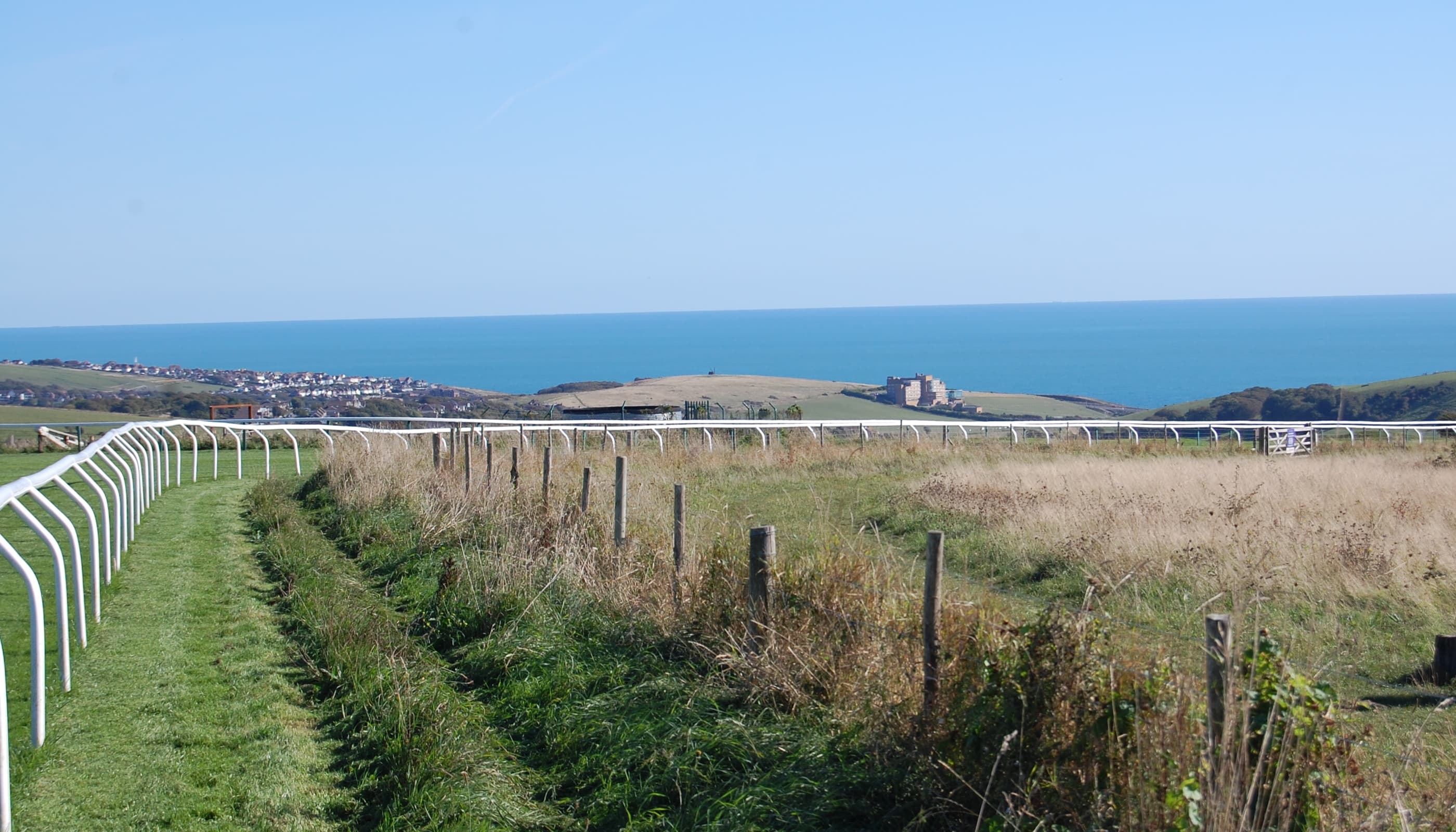
Location
East Sussex, England
Code
Flat turf
Direction
Left-handed
Racing
Flat only
Shape
Sharp, undulating, horseshoe-shaped track on the Downs
Run-in
About four furlongs with downhill and camber effects
Quick lay view
Brighton is not a neutral spreadsheet row. Its sharp, undulating, horseshoe-shaped track on the downs can change how form, price and liability should be read. For lay betting, the first question is whether the candidate's weakness is made worse by the course or protected by position, rhythm, surface, stamina, or track craft.
Course craft is huge; question short runners without Brighton, Epsom, or quirky-track evidence.
Horse-geek notes
Course fit matters most when the exchange price is short enough to create liability but long enough that the market may be under-pricing a hidden track weakness.
At Brighton, read the candidate against the race shape before trusting a ratings gap: Prominent, balanced horses are protected.
A horse with proven course, surface, or similar-track evidence should be treated as protected unless the public sweep finds a current negative cluster.
The best lay angles usually combine two or more signals: poor tactical setup, wrong trip, ground/surface doubt, class pressure, stale form, or a market price above the normal comfort zone.
Brighton lay betting checklist
Map position first
Decide whether the possible lay is likely to lead, press, sit handy, or need cover. Course shape can turn a small positional issue into a major vulnerability.
Separate pace from protection
Front-running ability is not automatically positive. It protects a horse only when the race shape lets it use that speed without a duel or early pressure.
Check public support
If the runner is a verdict pick, heavily tipped, sharply supported, or framed as unexposed, downgrade confidence before taking a lay view.
Keep the cap honest
A course angle is not enough if the live lay price has moved beyond the normal 11.0 cap or liquidity is too thin to trust.
Distance notes
Sprint / sharp trips
Sprint races can get messy because balance, downhill speed, and the camber all matter.
Middle distances
Turning and undulating sections punish long-striding horses that need a smooth rhythm.
Staying / jumps tests
Longer races can still be tactical because the track is awkward rather than purely stamina-led.
Draw and pace
Prominent, balanced horses are protected.
A horse hanging or lugging under pressure is a red flag.
Hold-up horses can struggle if the leaders kick downhill.
Going checks
Firm ground increases the need for balance.
Soft ground can make the downhill sections awkward and the finish testing.
Previous quirky-track form is more useful than generic turf form.
Lay betting at Brighton
Lay betting at Brighton
The Brighton check asks whether the selected horse is genuinely vulnerable at today's price or merely carrying a manageable course question. A horse can look weak on one figure and still be a SKIP if the course protects its run style.
How to use this guide in a sweep
Use the guide to challenge the app candidate after local ratings and exchange odds are known. Course context should support the PLAY/SKIP decision, not replace FormRatings, ATR-style ratings, racecard evidence, or live market checks.
Lay priority
Prioritise under-cap runners with a track-fit negative plus public weakness. Avoid opposing runners with course form, likely positive position, strong public verdicts, or obvious improvement angles unless the price and evidence both say the market has gone too far.
Lay red flags
No evidence on undulating or cambered tracks.
Needs a long, level straight.
Awkward head carriage or hanging.
Short price in a tactical small field.
Best use cases
A well-backed horse has only conventional-track form.
The race has a likely easy leader.
Course specialists are being ignored by the market.
Related guides
Brighton course notes are only one layer. Tie them back to strategy, racing tips, and responsible betting before making a manual call.
Horse racing lay strategy
Connect course notes to a full race research process with PLAY/SKIP discipline.
Read guideHorse racing lay tips
See how racecourse angles fit into a useful lay tip before opposing a runner.
Read guideResponsible lay betting
Keep course bias, liability, staking discipline, and manual control in the same decision.
Read guideBest reading path
Follow the lay betting learning route
Move through the core guides in order: basics, liability, exchange mechanics, strategy, racecourse context, and transparent results methodology.
Step 1
What is lay betting?
Start with the basic exchange concept: opposing a selection rather than backing it to win.
Open guideStep 2
Liability
Understand the amount at risk before looking at tips, strike rates, or staking.
Open guideStep 3
Exchange guide
Learn how lay odds, liquidity, matching, and commission affect a usable price.
Open guideStep 4
Strategy
Turn runner vulnerability, public checks, price, and skip discipline into a process.
Open guideStep 5
Racecourse guides
Add course shape, draw, pace, going, and distance context before trusting a lay angle.
Current stepStep 6
Results methodology
Read how settled public results are counted before judging any performance record.
Open guideOther racecourse guides
References
These are course-information and image-license references. Lay Picks turns them into original lay betting research notes and does not place bets automatically.
Lay Picks is for informed adults who want a clearer research routine. It is research and tracking software only, never automatic betting. You stay responsible for every manual decision. 18+ only. Read the risk disclaimer.