
Goodwood racecourse guide
Goodwood Racecourse Lay Betting Guide: Draw, pace, going and distance
A horse-geek Goodwood Racecourse guide for lay betting research, covering draw, pace, going and distance, under-cap lay checks, protected profiles, and race-shape traps.
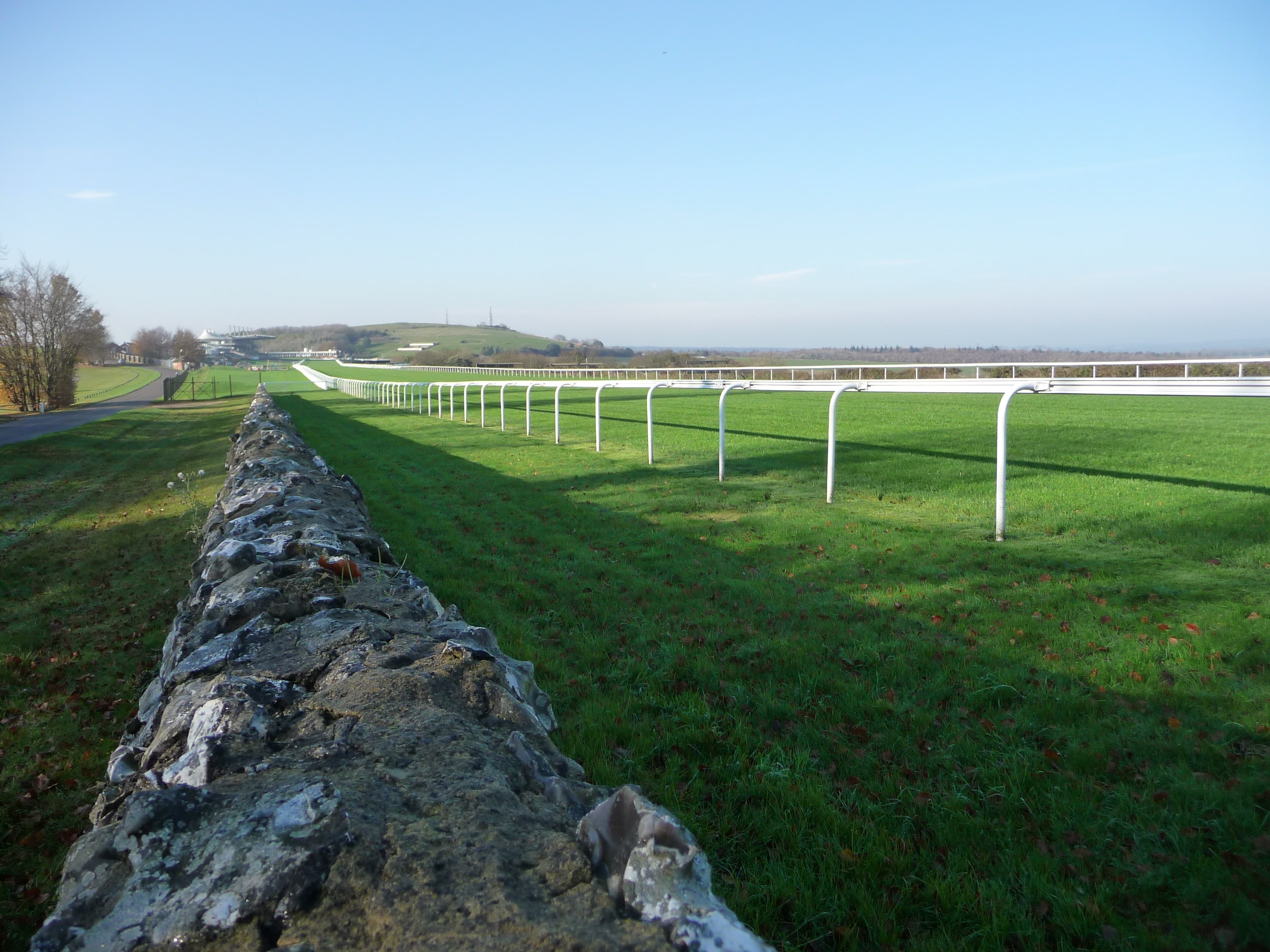
Location
West Sussex, England
Code
Flat turf
Direction
Right-handed
Racing
Flat only
Shape
Undulating, turning Downs track with downhill sections
Run-in
About two and a half furlongs after a turning approach
Quick lay view
Goodwood is a specialist Flat track where downhill sections, cambers, bends, and race positioning can make a normal form edge look fragile. For lay betting, the strongest candidates are short-priced horses that need rhythm, cover, or a clean late run and are likely to meet traffic, balance, or draw-pressure problems.
Balance, draw, and tactical position matter; question short runners that need a smooth, level galloping track.
Horse-geek notes
The track is not just picturesque; it is tactical. Balance and jockey positioning matter because the turns and downhill run can unsettle the wrong horse.
Goodwood can protect nimble, handy runners and punish horses that need a long, straight build-up.
Large-field handicaps are especially interesting because traffic can turn a mild hold-up preference into a major vulnerability.
Course form and similar downhill/turning evidence should carry more weight than generic Flat ratings.
A short favourite drawn or ridden into a likely pocket is more interesting than one with a clean prominent setup.
Goodwood lay betting checklist
Start with balance
Look for prior evidence on downhill, turning, or cambered tracks. Awkward head carriage or slow changes of gear are negatives.
Map the first position
Goodwood races can be shaped early. A horse likely to be trapped, wide, or buried needs a bigger ability edge than usual.
Respect course specialists
Runners with proven Goodwood rhythm, tactical speed, and uncomplicated racing style deserve protection.
Downgrade late-only profiles
Closers need both pace and racing room. Without both, a short price can be poor value.
Distance notes
5f-6f
Speed, balance, and where the pace forms are central. A slow-starting favourite can be in trouble quickly.
7f-1m
Position before the bend matters. Horses that need cover or a long straight can be vulnerable at short odds.
1m2f+
Stamina still matters, but so does handling the undulations. Do not assume a class horse will be comfortable around the track.
Draw and pace
Early pace and bend position can matter more than pure closing sectionals.
A wide trip can be costly when the horse also needs cover or tends to race keenly.
Handy, balanced runners are protected, especially in races without obvious pace pressure.
Hold-up favourites require a reliable pace and a gap at the right time.
Going checks
Fast ground can make position and balance even more important because races can quicken downhill.
Soft ground can turn Goodwood into a more searching stamina and handling test.
Going changes can move the favoured racing line, so earlier races are worth checking before draw conclusions.
Lay betting at Goodwood
Lay betting at Goodwood
Goodwood lay betting is about mechanics as much as ratings. Lay Picks checks balance, draw, pace, and likely racing position before treating a short-priced horse as safe.
Goodwood and internal proof
Goodwood examples should be followed through to public results because the track can create both clever lays and false alarms. The archive helps separate the two.
How Lay Picks handles Goodwood
The Goodwood course layer can downgrade a candidate when course fit protects it, or strengthen a PLAY when track position and handling risks add to the ratings case.
Lay red flags
Short favourite that needs a long straight to organise.
Hold-up style in a large field with uncertain pace.
No evidence on turning or undulating tracks.
Likely wide trip combined with keen-going tendencies.
Market strength based on class rather than Goodwood suitability.
Best use cases
A candidate has strong form but questionable track mechanics.
The race has draw, pace, or traffic complexity.
A course specialist rival gives the favourite less margin for error.
Related guides
Goodwood course notes are only one layer. Tie them back to strategy, racing tips, and responsible betting before making a manual call.
Horse racing lay strategy
Connect course notes to a full race research process with PLAY/SKIP discipline.
Read guideHorse racing lay tips
See how racecourse angles fit into a useful lay tip before opposing a runner.
Read guideResponsible lay betting
Keep course bias, liability, staking discipline, and manual control in the same decision.
Read guideBest reading path
Follow the lay betting learning route
Move through the core guides in order: basics, liability, exchange mechanics, strategy, racecourse context, and transparent results methodology.
Step 1
What is lay betting?
Start with the basic exchange concept: opposing a selection rather than backing it to win.
Open guideStep 2
Liability
Understand the amount at risk before looking at tips, strike rates, or staking.
Open guideStep 3
Exchange guide
Learn how lay odds, liquidity, matching, and commission affect a usable price.
Open guideStep 4
Strategy
Turn runner vulnerability, public checks, price, and skip discipline into a process.
Open guideStep 5
Racecourse guides
Add course shape, draw, pace, going, and distance context before trusting a lay angle.
Current stepStep 6
Results methodology
Read how settled public results are counted before judging any performance record.
Open guideOther racecourse guides
References
These are course-information and image-license references. Lay Picks turns them into original lay betting research notes and does not place bets automatically.
Lay Picks is for informed adults who want a clearer research routine. It is research and tracking software only, never automatic betting. You stay responsible for every manual decision. 18+ only. Read the risk disclaimer.