
Newbury racecourse guide
Newbury Racecourse Lay Betting Guide: Pace, jumping rhythm, ground and trip
A horse-geek Newbury Racecourse guide for lay betting research, covering pace, jumping rhythm, ground and trip, under-cap lay checks, protected profiles, and race-shape traps.
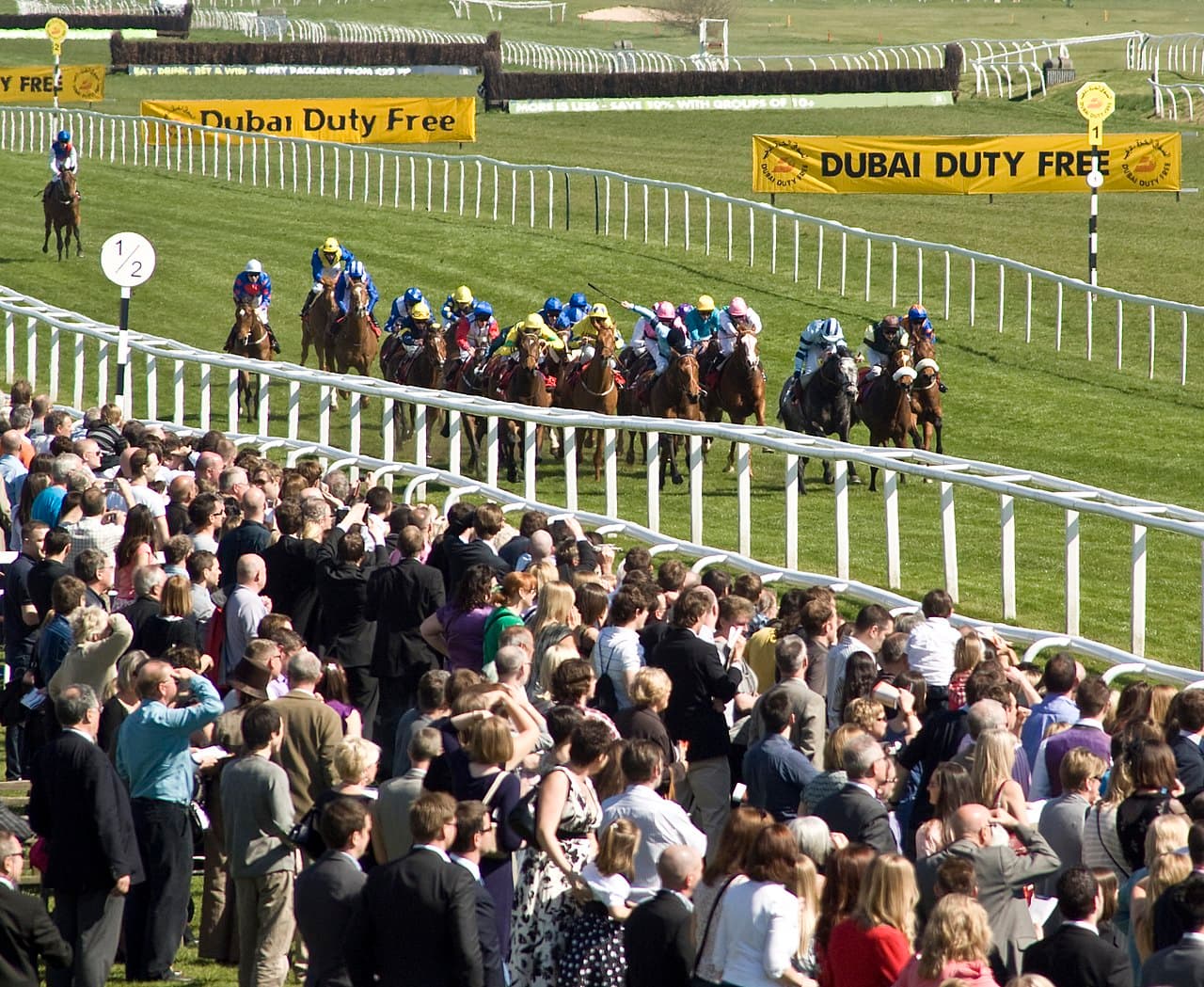
Location
Berkshire, England
Code
Flat and jumps
Direction
Left-handed
Racing
Flat and National Hunt
Shape
Wide, galloping, fair track with long straights
Run-in
Long and fair
Quick lay view
Newbury is a fair, galloping track, which is exactly why weak favourites can be easier to judge there. A short horse generally gets space to show its ability, so a lay case should focus on stamina, finishing strength, field depth, or whether the market has overrated a flashier performance from a sharper venue.
Newbury gives strong horses a chance; focus lays on stamina, class-depth, or finishing-effort negatives.
Horse-geek notes
The long straight gives stronger horses time to recover, so vague draw or traffic claims are weaker here than at sharper tracks.
Because Newbury is fair, a favourite with real class and a clean stamina profile is protected even if the price looks short.
Straight-course races can still split by pace and ground. Earlier races on the card matter before making a draw claim.
Newbury can expose horses that travel smoothly but do not lengthen when the race becomes sustained.
A strong lay case usually needs depth against the favourite: credible rivals, trip doubt, current form weakness, or a finishing-speed question.
Newbury lay betting checklist
Require a real weakness
Newbury gives good horses a fair chance. Do not lay on track quirk alone unless the horse lacks stamina, finishing effort, or current substance.
Review the final furlong
A horse that has been winning by travelling or quickening briefly can be vulnerable when Newbury asks for a longer sustained drive.
Watch straight-course lanes
For sprints, connect stall position to where the pace is and how the ground is riding on the day.
Check class depth
Handicaps and better races can contain several capable alternatives, which matters when the favourite has only a narrow edge.
Distance notes
5f-6f straight
Pace grouping and ground lanes matter more than a permanent draw rule. A favourite away from the main pace can be exposed.
7f-1m
Rhythm and sustained finishing are key. Question horses stepping up from sharper tactical wins.
1m2f+ / jumps
The galloping nature asks for honest stamina. Horses that cruise but fade late are more interesting than grinders with proven finish.
Draw and pace
Do not invent a draw bias without card evidence; Newbury is generally more honest than quirky.
Straight-course pace maps matter because isolated runners can be forced into the wrong race.
Prominent racers are protected when they settle; free-goers can be vulnerable in the long straight.
Hold-up horses get time, but still need a pace collapse or clear daylight.
Going checks
Testing ground increases the value of proven stamina and finishing effort.
Fast ground can protect fluent, classy runners, but exposes horses short of speed.
Going changes should be matched to the horse's finish, not just its official ground preference.
Lay betting at Newbury
Lay betting at Newbury
Newbury lay betting is not about trapping a horse on a bend. It is about testing whether the favourite has enough class, stamina, and finish for an honest galloping race.
Newbury examples in the archive
When a Newbury race appears in public results, read it beside the methodology page: the useful lesson is whether the pre-race weakness survived a fair-track test.
How Lay Picks handles Newbury
Lay Picks treats Newbury as a high-evidence venue. A candidate needs a clear current weakness before the course angle strengthens a PLAY recommendation.
Lay red flags
Favourite whose best win came from a sharp-track sprint finish.
Trip stretch without proof of a sustained final furlong.
Straight-course runner isolated away from the main pace.
Short price in a deep handicap with several credible alternatives.
Ground shift that turns a speed edge into a stamina question.
Best use cases
A candidate looks good on ratings but still has a finishing-strength question.
You need to avoid forcing a draw-bias angle on a fairer course.
The market is pricing a horse as safer than its trip or field-depth evidence suggests.
Related guides
Newbury course notes are only one layer. Tie them back to strategy, racing tips, and responsible betting before making a manual call.
Horse racing lay strategy
Connect course notes to a full race research process with PLAY/SKIP discipline.
Read guideHorse racing lay tips
See how racecourse angles fit into a useful lay tip before opposing a runner.
Read guideResponsible lay betting
Keep course bias, liability, staking discipline, and manual control in the same decision.
Read guideBest reading path
Follow the lay betting learning route
Move through the core guides in order: basics, liability, exchange mechanics, strategy, racecourse context, and transparent results methodology.
Step 1
What is lay betting?
Start with the basic exchange concept: opposing a selection rather than backing it to win.
Open guideStep 2
Liability
Understand the amount at risk before looking at tips, strike rates, or staking.
Open guideStep 3
Exchange guide
Learn how lay odds, liquidity, matching, and commission affect a usable price.
Open guideStep 4
Strategy
Turn runner vulnerability, public checks, price, and skip discipline into a process.
Open guideStep 5
Racecourse guides
Add course shape, draw, pace, going, and distance context before trusting a lay angle.
Current stepStep 6
Results methodology
Read how settled public results are counted before judging any performance record.
Open guideOther racecourse guides
References
These are course-information and image-license references. Lay Picks turns them into original lay betting research notes and does not place bets automatically.
Lay Picks is for informed adults who want a clearer research routine. It is research and tracking software only, never automatic betting. You stay responsible for every manual decision. 18+ only. Read the risk disclaimer.